• Skip to main content

Allergy Partners

  • Find a New Location
  • Patient Portal
  • Bill Pay
  • Become an Allergy Partner
  • Site Search
  • Providers
  • Services
        • Treatment
          • Allergy Shots (Subcutaneous Immunotherapy, SCIT)
          • Biologics
          • Medications
          • Food Allergy Risk Reduction (FARR®)
          • Food Oral Immunotherapy (Food OIT)
          • Food Sublingual Immunotherapy (Food SLIT)
          • Environmental Sublingual Immunotherapy (Environmental SLIT)
        • Testing
          • Blood Testing
          • Food Allergy Testing
          • Patch Testing
          • Pulmonary Function Testing
          • Restech Testing
          • Skin Testing
  • Conditions
        • Food/ Gastrointestinal
          • Eosinophilic Esophagitis
          • Food Allergies
          • Laryngopharyngeal Reflux Disease
        • Lung
          • Asthma
          • Chronic Cough
        • Nasal, Sinus, Eye
          • Environmental Allergies
          • Eye Allergies (Allergic Conjunctivitis)
          • Nasal Polyps
          • Sinusitis
          • Vasomotor Rhinitis/ Chronic Rhinitis
        • Other Conditions
          • Anaphylaxis
          • Immune Deficiency
          • Medication Allergy
          • Recurrent Infections
          • Stinging Insect Allergy
          • Pediatric Allergies
        • Skin Allergies and Conditions
          • Angioedema
          • Contact Dermatitis
          • Eczema (Atopic Dermatitis)
          • Hives/Urticaria
          • Latex Allergy
          • Metal Allergy
  • About Us
        • About Us
        • Blog
        • Careers
        • Clinical Research
        • Pharmacy
        • What Is an Allergist?
        • In The News
  • Patient Resources
        • Pathway to Relief
        • Patient Portal
        • Bill Pay
        • Video Center
        • New Patient Forms & Resources
        • Request Medical Records
        • Patient Rights
        • Notice of Privacy Practices
        • The Itch Podcast
  • Find a Location

Resources

Back-to-School Basics for Kids with Allergies: Six Essential Steps to Get Ready for the School Year

August 26, 2026 by

LnRiLWJ1dHRvbntjb2xvcjojZjFmMWYxfS50Yi1idXR0b24tLWxlZnR7dGV4dC1hbGlnbjpsZWZ0fS50Yi1idXR0b24tLWNlbnRlcnt0ZXh0LWFsaWduOmNlbnRlcn0udGItYnV0dG9uLS1yaWdodHt0ZXh0LWFsaWduOnJpZ2h0fS50Yi1idXR0b25fX2xpbmt7Y29sb3I6aW5oZXJpdDtjdXJzb3I6cG9pbnRlcjtkaXNwbGF5OmlubGluZS1ibG9jaztsaW5lLWhlaWdodDoxMDAlO3RleHQtZGVjb3JhdGlvbjpub25lICFpbXBvcnRhbnQ7dGV4dC1hbGlnbjpjZW50ZXI7dHJhbnNpdGlvbjphbGwgMC4zcyBlYXNlfS50Yi1idXR0b25fX2xpbms6aG92ZXIsLnRiLWJ1dHRvbl9fbGluazpmb2N1cywudGItYnV0dG9uX19saW5rOnZpc2l0ZWR7Y29sb3I6aW5oZXJpdH0udGItYnV0dG9uX19saW5rOmhvdmVyIC50Yi1idXR0b25fX2NvbnRlbnQsLnRiLWJ1dHRvbl9fbGluazpmb2N1cyAudGItYnV0dG9uX19jb250ZW50LC50Yi1idXR0b25fX2xpbms6dmlzaXRlZCAudGItYnV0dG9uX19jb250ZW50e2ZvbnQtZmFtaWx5OmluaGVyaXQ7Zm9udC1zdHlsZTppbmhlcml0O2ZvbnQtd2VpZ2h0OmluaGVyaXQ7bGV0dGVyLXNwYWNpbmc6aW5oZXJpdDt0ZXh0LWRlY29yYXRpb246aW5oZXJpdDt0ZXh0LXNoYWRvdzppbmhlcml0O3RleHQtdHJhbnNmb3JtOmluaGVyaXR9LnRiLWJ1dHRvbl9fY29udGVudHt2ZXJ0aWNhbC1hbGlnbjptaWRkbGU7dHJhbnNpdGlvbjphbGwgMC4zcyBlYXNlfS50Yi1idXR0b25fX2ljb257dHJhbnNpdGlvbjphbGwgMC4zcyBlYXNlO2Rpc3BsYXk6aW5saW5lLWJsb2NrO3ZlcnRpY2FsLWFsaWduOm1pZGRsZTtmb250LXN0eWxlOm5vcm1hbCAhaW1wb3J0YW50fS50Yi1idXR0b25fX2ljb246OmJlZm9yZXtjb250ZW50OmF0dHIoZGF0YS1mb250LWNvZGUpO2ZvbnQtd2VpZ2h0Om5vcm1hbCAhaW1wb3J0YW50fS50Yi1idXR0b25fX2xpbmt7YmFja2dyb3VuZC1jb2xvcjojNDQ0O2JvcmRlci1yYWRpdXM6MC4zZW07Zm9udC1zaXplOjEuM2VtO21hcmdpbi1ib3R0b206MC43NmVtO3BhZGRpbmc6MC41NWVtIDEuNWVtIDAuNTVlbX0gLnRiLWJ1dHRvbltkYXRhLXRvb2xzZXQtYmxvY2tzLWJ1dHRvbj0iNjQ2YjcwMmNmNDMwYTkyZTU5OWQ5ZWRkYjE4ZmJlZjAiXSAudGItYnV0dG9uX19saW5rIHsgYmFja2dyb3VuZC1jb2xvcjogcmdiYSggMjMyLCAxMTMsIDIxLCAxICk7Ym9yZGVyLXJhZGl1czogMjBweDtjb2xvcjogcmdiYSggMjU1LCAyNTUsIDI1NSwgMSApO3BhZGRpbmc6IDE1cHggMjVweCAxNXB4IDI1cHg7Zm9udC1zaXplOiAxOHB4O2NvbG9yOiByZ2JhKCAyNTUsIDI1NSwgMjU1LCAxICk7IH0gLnRiLWJ1dHRvbltkYXRhLXRvb2xzZXQtYmxvY2tzLWJ1dHRvbj0iNjQ2YjcwMmNmNDMwYTkyZTU5OWQ5ZWRkYjE4ZmJlZjAiXSAudGItYnV0dG9uX19pY29uIHsgZm9udC1mYW1pbHk6IGRhc2hpY29uczsgfSBAbWVkaWEgb25seSBzY3JlZW4gYW5kIChtYXgtd2lkdGg6IDc4MXB4KSB7IC50Yi1idXR0b257Y29sb3I6I2YxZjFmMX0udGItYnV0dG9uLS1sZWZ0e3RleHQtYWxpZ246bGVmdH0udGItYnV0dG9uLS1jZW50ZXJ7dGV4dC1hbGlnbjpjZW50ZXJ9LnRiLWJ1dHRvbi0tcmlnaHR7dGV4dC1hbGlnbjpyaWdodH0udGItYnV0dG9uX19saW5re2NvbG9yOmluaGVyaXQ7Y3Vyc29yOnBvaW50ZXI7ZGlzcGxheTppbmxpbmUtYmxvY2s7bGluZS1oZWlnaHQ6MTAwJTt0ZXh0LWRlY29yYXRpb246bm9uZSAhaW1wb3J0YW50O3RleHQtYWxpZ246Y2VudGVyO3RyYW5zaXRpb246YWxsIDAuM3MgZWFzZX0udGItYnV0dG9uX19saW5rOmhvdmVyLC50Yi1idXR0b25fX2xpbms6Zm9jdXMsLnRiLWJ1dHRvbl9fbGluazp2aXNpdGVke2NvbG9yOmluaGVyaXR9LnRiLWJ1dHRvbl9fbGluazpob3ZlciAudGItYnV0dG9uX19jb250ZW50LC50Yi1idXR0b25fX2xpbms6Zm9jdXMgLnRiLWJ1dHRvbl9fY29udGVudCwudGItYnV0dG9uX19saW5rOnZpc2l0ZWQgLnRiLWJ1dHRvbl9fY29udGVudHtmb250LWZhbWlseTppbmhlcml0O2ZvbnQtc3R5bGU6aW5oZXJpdDtmb250LXdlaWdodDppbmhlcml0O2xldHRlci1zcGFjaW5nOmluaGVyaXQ7dGV4dC1kZWNvcmF0aW9uOmluaGVyaXQ7dGV4dC1zaGFkb3c6aW5oZXJpdDt0ZXh0LXRyYW5zZm9ybTppbmhlcml0fS50Yi1idXR0b25fX2NvbnRlbnR7dmVydGljYWwtYWxpZ246bWlkZGxlO3RyYW5zaXRpb246YWxsIDAuM3MgZWFzZX0udGItYnV0dG9uX19pY29ue3RyYW5zaXRpb246YWxsIDAuM3MgZWFzZTtkaXNwbGF5OmlubGluZS1ibG9jazt2ZXJ0aWNhbC1hbGlnbjptaWRkbGU7Zm9udC1zdHlsZTpub3JtYWwgIWltcG9ydGFudH0udGItYnV0dG9uX19pY29uOjpiZWZvcmV7Y29udGVudDphdHRyKGRhdGEtZm9udC1jb2RlKTtmb250LXdlaWdodDpub3JtYWwgIWltcG9ydGFudH0udGItYnV0dG9uX19saW5re2JhY2tncm91bmQtY29sb3I6IzQ0NDtib3JkZXItcmFkaXVzOjAuM2VtO2ZvbnQtc2l6ZToxLjNlbTttYXJnaW4tYm90dG9tOjAuNzZlbTtwYWRkaW5nOjAuNTVlbSAxLjVlbSAwLjU1ZW19IH0gQG1lZGlhIG9ubHkgc2NyZWVuIGFuZCAobWF4LXdpZHRoOiA1OTlweCkgeyAudGItYnV0dG9ue2NvbG9yOiNmMWYxZjF9LnRiLWJ1dHRvbi0tbGVmdHt0ZXh0LWFsaWduOmxlZnR9LnRiLWJ1dHRvbi0tY2VudGVye3RleHQtYWxpZ246Y2VudGVyfS50Yi1idXR0b24tLXJpZ2h0e3RleHQtYWxpZ246cmlnaHR9LnRiLWJ1dHRvbl9fbGlua3tjb2xvcjppbmhlcml0O2N1cnNvcjpwb2ludGVyO2Rpc3BsYXk6aW5saW5lLWJsb2NrO2xpbmUtaGVpZ2h0OjEwMCU7dGV4dC1kZWNvcmF0aW9uOm5vbmUgIWltcG9ydGFudDt0ZXh0LWFsaWduOmNlbnRlcjt0cmFuc2l0aW9uOmFsbCAwLjNzIGVhc2V9LnRiLWJ1dHRvbl9fbGluazpob3ZlciwudGItYnV0dG9uX19saW5rOmZvY3VzLC50Yi1idXR0b25fX2xpbms6dmlzaXRlZHtjb2xvcjppbmhlcml0fS50Yi1idXR0b25fX2xpbms6aG92ZXIgLnRiLWJ1dHRvbl9fY29udGVudCwudGItYnV0dG9uX19saW5rOmZvY3VzIC50Yi1idXR0b25fX2NvbnRlbnQsLnRiLWJ1dHRvbl9fbGluazp2aXNpdGVkIC50Yi1idXR0b25fX2NvbnRlbnR7Zm9udC1mYW1pbHk6aW5oZXJpdDtmb250LXN0eWxlOmluaGVyaXQ7Zm9udC13ZWlnaHQ6aW5oZXJpdDtsZXR0ZXItc3BhY2luZzppbmhlcml0O3RleHQtZGVjb3JhdGlvbjppbmhlcml0O3RleHQtc2hhZG93OmluaGVyaXQ7dGV4dC10cmFuc2Zvcm06aW5oZXJpdH0udGItYnV0dG9uX19jb250ZW50e3ZlcnRpY2FsLWFsaWduOm1pZGRsZTt0cmFuc2l0aW9uOmFsbCAwLjNzIGVhc2V9LnRiLWJ1dHRvbl9faWNvbnt0cmFuc2l0aW9uOmFsbCAwLjNzIGVhc2U7ZGlzcGxheTppbmxpbmUtYmxvY2s7dmVydGljYWwtYWxpZ246bWlkZGxlO2ZvbnQtc3R5bGU6bm9ybWFsICFpbXBvcnRhbnR9LnRiLWJ1dHRvbl9faWNvbjo6YmVmb3Jle2NvbnRlbnQ6YXR0cihkYXRhLWZvbnQtY29kZSk7Zm9udC13ZWlnaHQ6bm9ybWFsICFpbXBvcnRhbnR9LnRiLWJ1dHRvbl9fbGlua3tiYWNrZ3JvdW5kLWNvbG9yOiM0NDQ7Ym9yZGVyLXJhZGl1czowLjNlbTtmb250LXNpemU6MS4zZW07bWFyZ2luLWJvdHRvbTowLjc2ZW07cGFkZGluZzowLjU1ZW0gMS41ZW0gMC41NWVtfSB9IA==

Summary: For children with allergies, going back to school can feel overwhelming. This guide walks parents through a practical back-to-school checklist, including updating medications and action plans, coordinating with teachers and school staff, and helping kids feel confident managing their allergies at school.

As summer winds down and the school year begins, many parents of children with food and environmental allergies start to feel anxious about their return to school. With the start of the fall allergy season, combined with unknown factors such as a new classroom and classmates, triggers for food or other allergic reactions are abundant.

Thankfully, we are here to help! Our board-certified allergists are ready to evaluate your child’s allergies and develop a plan to help them manage their symptoms at school and help you set them up for success before the first day of class.

With a bit of planning, you can help create a safe, supportive school environment for your child. This guide walks you through six practical back-to-school steps, such as updating medications and action plans, and partnering with teachers and school staff, so your child can focus on learning and enjoying school.

Why Back-to-School Prep Matters for Kids with Food and Environmental Allergies

The start of a new school year brings new routines, friendships, and fresh opportunities. While exciting, it’s important to remember that it can also increase children’s exposure to allergens and asthma triggers. Classroom snacks, cafeteria meals, outdoor activities, and even pets at home can all be sources of potential triggers. Taking time to prepare before school starts helps ensure that you, your child, and the school team are ready to recognize symptoms early, respond appropriately, and reduce the risk of serious reactions during the school day.

Step 1 – Consult with an Expert

Schedule a Pre-School Visit with Your Allergist

Before your child heads back to school, consider scheduling a visit with your Allergy Partners allergist. During this appointment, you can review your child’s recent symptoms, any reactions over the summer, and how well their current treatment plan is working. This is a good time to talk through food allergies, environmental triggers (such as pollen, dust, or mold), and asthma control.

Common symptoms of environmental triggers to watch for include:

  • Persistent Congestion
  • Sneezing
  • Itchy and watery eyes
  • Eczema or itchy skin
  • Fatigue and low energy
  • Trouble focusing while at school

Common symptoms of mild food allergen triggers to watch for include:

  • Itching of the mouth or throat
  • Mild flushing of the skin or scattered hives
  • Puffiness of eyes, lips, or face

Symptoms of severe food allergen triggers to watch for include:

  • Trouble breathing: wheezing, shortness of breath, rapid breathing, or noisy breathing
  • Throat symptoms: tightness, choking feeling, difficulty swallowing, trouble talking, hoarse voice
  • Severe swelling: tongue, lips, or face swelling quickly; drooling or trouble keeping mouth closed

Responding quickly to symptoms, whether common or severe, is essential for providing proper care for your child. Having an accurate, up-to-date allergy action plan will ensure that the trusted adults in charge know what to do.

Update Your Child’s Allergy Action Plan

Ask your allergist to provide or update a written allergy and asthma action plan that you can share with the school. A clear action plan outlines your child’s known triggers, early warning signs, and step-by-step instructions for mild, moderate, and severe symptoms. It should include when to use daily medicines, rescue inhalers, antihistamines, or epinephrine auto-injectors, and when to call 911. Providing this plan to the school nurse and teachers will help them respond confidently and consistently if symptoms arise.

Step 2- Review Medications

Check All Medications Before School Starts

As part of your back-to-school checklist, take time to review all your child’s allergy and asthma medications. Make a complete list of daily medications (such as inhaled steroids or nasal sprays), rescue inhalers, antihistamines, and any epinephrine auto-injectors. Your Allergy Partners allergist can confirm that each dose is appropriate for your child’s current age and weight and help clarify which medications should be available during the school day.

Replace Expired or Soon-to-Expire Medications

Next, carefully check the expiration dates on each medication your child may need at school. Pay close attention to inhalers and epinephrine auto-injectors (also known as EpiPens), as these are critical in managing sudden symptoms or severe reactions. If your child requires an EpiPen, be sure to review the steps they or a trusted adult will need to follow to properly administer the medication. Replace any expired or soon-to-expire medications so that the school has fresh, reliable supplies.

Step 3 – Communicate With the School and Teachers

Meet with the School Nurse

Early in the school year, try to schedule time with the school nurse or health coordinator to review your child’s needs. Provide the updated allergy and asthma action plan, medication list, and current emergency contact information for parents or guardians. Be sure to ask about the school’s procedure for handling medical concerns, who can give medications during the day, and how emergencies are managed.

Talk with Teachers, Coaches, and Staff

Teachers, coaches, and other staff who regularly interact with your child should be familiar with their allergies and asthma. Share information about specific triggers, typical symptoms, and how quickly reactions can progress. Discuss how snacks, classroom celebrations, field trips, and sports are handled, and clearly specify any accommodations your child may need.

Step 4 – Plan for Food Allergies in the Classroom and Cafeteria

Child holding a lunch bag

Understand how the School Manages Food Allergies

If your child has food allergies, it’s especially important to understand how food is handled at school. Ask about cafeteria processes, including how meals are labeled, whether allergy-aware or nut-free tables are available, and how staff manages cross-contact. In the classroom, learn how snacks, birthday treats, and holiday parties are managed.

Create a Safe Snack and Lunch Plan

Many families find that sending snacks and lunches from home offers extra reassurance, since they know the exact ingredients that their child is consuming. If you choose this route, label containers clearly and review safe and unsafe foods with your child. Remind them not to share food or drinks with classmates, even if items appear familiar. You may also wish to provide teachers with a list of preferred, allergy-safe snack options for the classroom.

Understand Protocol for Classroom Parties and Special Events

While classroom celebrations are a fun part of the school experience, they can pose added risks for children with food allergies. Ask teachers to notify you ahead of parties or special events so you can send a safe alternative or help plan allergy-friendly options for the group. When possible, encourage non-food rewards or activities to celebrate.

Step 5 – Prepare Your Child Emotionally and Practically

Teach Your Child to Recognize Early Symptoms

Helping your child understand their own symptoms is an important part of staying safe at school. Use age-appropriate language to describe the early signs of an allergic reaction or asthma flare, such as itching, hives, swelling, coughing, wheezing, chest tightness, trouble breathing, stomach pain, or simply not feeling well. Encourage your child to speak up quickly if something doesn’t feel right and reinforce that asking for help is always the right choice.

Practice What to Do in an Emergency

Simple role-playing at home can help your child feel more prepared and confident. Practice scenarios where your child notices symptoms and tells a teacher, coach, or the school nurse right away. Review where medications are stored at school, who to contact for help, and the steps adults will take per the action plan. If your child has an EpiPen, teach them how to administer it safely.

Build Confidence, Not Fear

Living with allergies or asthma can sometimes make children feel different from their peers, especially in group settings like school. Reassure your child that many students have health needs and that their allergy plan is one way to help them stay healthy. Emphasize their strengths, remind them that you and their school are working together to keep them safe, and encourage them to enjoy all the positive aspects of the school year.

Step 6 – Keep Information Up to Date Throughout the School Year

Update Contact Information and Forms

At the start of the year—and periodically throughout the year—it’s helpful to review the medical and emergency forms the school has on file. Make sure phone numbers, addresses, emergency contacts, and insurance information are current, and notify the school promptly of any changes.

Review the Allergy Plan After Any Reaction

If your child experiences an allergic reaction or asthma episode at school, follow up with your allergist and the school team after the event. Together, you can discuss what happened, what treatments were given, and whether any changes to the action plan or medications are needed. Share updated instructions with the school nurse and teachers so everyone continues to work from the same, current guidance.
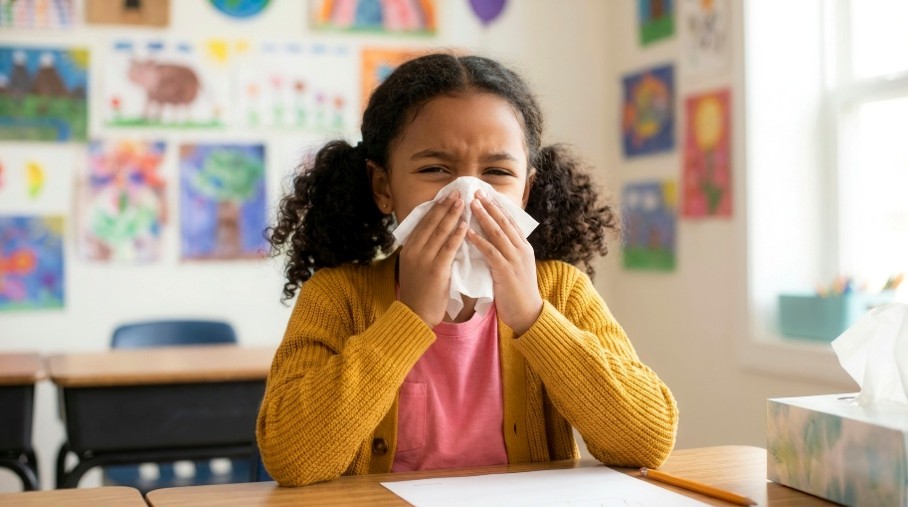
Child blowing their nose

Frequently Asked Questions About Back-to-School Allergies

How can I prepare my child with allergies (food, environmental, or both) for school?
To help your child start the school year safely, update their medications and allergy action plan, meet with the school nurse and teachers, and review school routines. Talk with your child about recognizing symptoms, not sharing food, and telling an adult right away if they feel unwell. These simple steps can go a long way toward creating a safer, more comfortable school experience.

What should I give the school if my child has food allergies?
If your child has food allergies, be sure to provide the school with a written allergy action plan, a list of their specific allergens, and current emergency medications such as epinephrine auto-injectors and any rescue medicines. Include clear instructions for recognizing and treating reactions, as well as updated contact information. It’s also helpful to discuss classroom snacks, parties, and field trips in advance so everyone understands how to keep your child safe.

What should teachers know about my child’s allergies?
Teachers should understand what your child is allergic to, how to recognize early symptoms, and what steps to take if a reaction or asthma flare begins. They need to know where medications are stored, how to contact the school nurse, and how to reach you in an emergency. Providing simple, written guidance along with an action plan can help teachers feel prepared and confident if they ever need to respond.

When to See an Allergist Before School Starts

If your child has experienced recent reactions, increased symptoms, or new concerns related to allergies or asthma, a visit with an allergist before school begins can be very helpful. At Allergy Partners, your board-certified allergist can work with you to review medications, update action plans, and address specific questions about the classroom, cafeteria, sports, or transportation. Taking these steps ahead of time can help your child start the school year feeling prepared and supported and leave you feeling assured that your child is set up for success.

Find a Location Near You

Dr. William McCann is the CEO and former Chief Medical Officer of Allergy Partners, and a board-certified allergist in Western North Carolina. After his medical training at Duke University, he spent three years practicing general pediatrics before realizing his passion for treating allergies and asthma. He switched specialties to focus the next 24 years providing personalized care for children and adults with allergies, asthma, eczema, and chronic sinusitis. Learn more about Dr. McCann


Allergy and Asthma Resources

Here is a list of parent-friendly asthma and allergy resources and advocacy groups to explore:

  • Asthma and Allergy Foundation of America (AAFA) — Patient education, action-plan templates, and guidance on managing asthma and allergies at school. https://www.aafa.org/
  • Food Allergy Research & Education (FARE) — Resources for managing food allergies, school policies, and emergency planning. https://www.foodallergy.org/
  • American College of Allergy, Asthma & Immunology (ACAAI) — Practical patient resources, school forms, and provider-finder tools. https://www.acaai.org/
  • Kids With Food Allergies (KFA) — Practical, family-focused resources for managing food allergies at home and at school, including downloadable action-plan templates, safety tips, recipes, and community support for parents and caregivers: https://kidswithfoodallergies.org/
  • Allergy & Asthma Network — Family-focused education, advocacy materials, and tips for managing allergies and asthma in children. https://allergyasthmanetwork.org/

Filed Under: Resources

Understanding The Difference Between Allergies, Cold, Flu, and COVID-19 Symptoms

May 5, 2024 by

As sniffles, sneezes, and coughs fill the air, differentiating between allergies, colds, flu, and COVID-19 can feel like solving a medical mystery. While some symptoms overlap, these four conditions have distinct characteristics. Knowing the differences empowers you to seek the most appropriate care and prevent the spread of potentially contagious illnesses.

Allergy Symptoms

Allergies are an overreaction of your immune system to harmless substances called allergens, like pollen, dust mites, or pet dander. When you encounter an allergen, your body releases histamine, causing a cascade of symptoms, including:

  • Itchy, watery eyes
  • Runny or stuffy nose
  • Sneezing
  • Scratchy throat
  • Postnasal drip
  • Skin irritation, such as hives or eczema

Allergy symptoms tend to be seasonal or triggered by specific exposures. They’re not contagious and typically don’t cause fever or muscle aches. Antihistamines, nasal corticosteroids, and immunotherapy can effectively manage most allergies.

Common Cold Symptoms

The common cold is a viral infection that usually clears up within a week. Unlike allergies, colds can spread from person to person through respiratory droplets. Key symptoms include:

  • Runny or stuffy nose
  • Sore throat
  • Mild cough
  • Sneezing
  • Headache
  • Fatigue

Cold symptoms may worsen for a few days before gradually improving. Over-the-counter medications can ease discomfort, but antibiotics are ineffective against viruses. Rest, fluids, and time are the best remedies.

Flu (Influenza) Symptoms

Influenza, commonly called the flu, is a more severe viral infection than a cold. It can cause significant discomfort and, in rare cases, complications. Flu symptoms come on suddenly and may include:

  • Fever (often high)
  • Chills or sweats
  • Headache
  • Muscle aches
  • Sore throat
  • Runny or stuffy nose
  • Cough
  • Fatigue
  • Vomiting or diarrhea (especially in children)

The flu can leave you feeling wiped out for a week or more. Antiviral medications can shorten the duration and severity of symptoms if taken within 48 hours of onset.
 

COVID-19 Symptoms

COVID-19, caused by the SARS-CoV-2 virus, continues evolving, presenting various symptoms.
While some people experience mild illness and wonder if they are experiencing COVID or allergies, others may battle life-threatening complications from the virus. Common COVID-19 symptoms include:

  • Fever or chills
  • Cough (dry or productive)
  • Shortness of breath or difficulty breathing
  • Fatigue
  • Muscle or body aches
  • Headache
  • New loss of taste or smell
  • Sore throat
  • Congestion or runny nose
  • Nausea or vomiting
  • Diarrhea

COVID-19 symptoms can appear 2-14 days after exposure. Testing is crucial for accurate diagnosis and to prevent further spread.

If you experience fever, shortness of breath, or severe symptoms, seek immediate medical attention.
 

Additional Clues for Accurate Diagnosis

While some overlap exists, specific clues can help differentiate between these conditions.

  • Fever: Allergies and colds rarely cause fever, while fever is a common symptom of flu and COVID-19.
  • Muscle aches: Significant muscle aches are more common with flu and COVID-19 than with allergies or colds.
  • Loss of taste or smell: This is a relatively specific symptom of COVID-19.
  • Seasonal patterns: Allergies often have seasonal triggers, while colds and flu can occur year-round.
  • Exposure history: Recent contact with someone sick or traveling can increase the likelihood of flu or COVID-19.
     

Tips for Avoiding Allergies, Cold, Flu, and COVID-19

Below are some practical tips to tame allergies, outsmart colds, dodge the flu, and even keep COVID-19 at bay.

  • Early diagnosis and management are crucial for any illness or medical condition. If you have allergies, identify your triggers and avoid them as much as possible. Common triggers include pollen, dust mites, pet dander, and mold.
  • Practice good hygiene, such as frequent handwashing and cough etiquette, to prevent the spread of viruses.
  • Take care of yourself: When you’re healthy, your body can better fight infection. Ensure you sleep well, eat a healthy diet, and exercise regularly. These lifestyle habits can help boost your immune system and keep you feeling your best.
  • Avoid close contact with sick people: This seems obvious but worth repeating. If you know someone is sick, stay away from them as much as possible. This also includes avoiding large crowds, especially during cold and flu season.
     

Consulting an Allergist

Distinguishing between allergies, colds, flu, and COVID-19 can be tricky. Still, by understanding the key differences in symptoms and seeking expert advice, you can effectively empower yourself to receive the most appropriate care and navigate these conditions. When unsure, consulting an allergist can be beneficial. Allergists are medical professionals specializing in diagnosing, treating, and managing allergies and immunologic disorders. A consultation with an allergist can provide valuable insights and personalized guidance. Allergists can:

  • Take a detailed medical history, including allergies, medications, and lifestyle factors.
  • Perform comprehensive physical examinations and diagnostic tests, such as skin testing and blood testing, to identify specific allergens.
  • Develop customized treatment plans tailored to your individual needs, including:
    • Allergy medications: Antihistamines, nasal corticosteroids, and immunotherapy can effectively manage most allergies.
    • Education and avoidance strategies: Learning about your triggers and limiting exposure can significantly reduce symptoms.
    • Management of related conditions: Allergists can also address complications like asthma or sinusitis triggered by allergies.

While allergies can be a nuisance, effective management can allow you to lead a healthy and fulfilling life. Understanding your allergies and triggers empowers you to make informed choices and avoid discomfort. Allergy management is an ongoing process. With consistent effort and the proper guidance, you can achieve significant improvement. Don’t hesitate to seek help from your allergist and other healthcare professionals.

Additional Resources:

Is It Cold, Allergies, or Sinusitis?

Filed Under: Resources

Is It Allergies or Something Else? How to Discuss Allergies with Your Doctor

May 3, 2024 by

Allergies are becoming increasingly common in the United States and throughout the world. Their symptoms can range from mild nuisances to severe and potentially life-threatening disorders.

If you are struggling with symptoms you believe might be allergy-related, it’s important to address them promptly. One of the key reasons allergies should be diagnosed early is to enable effective long-term management.

You might be able to visit an allergist directly (without a referral) if you’ve been diagnosed with allergies in the past. However, if you’ve never experienced allergies previously, you should seek advice from a general practitioner to rule out or address other medical concerns.

Questions for Your Primary Care Physician

Determining whether your symptoms are related to allergies or other medical issues can be challenging. While allergies are extremely common, they are often confused with other health problems, such as the common cold or COVID-19. Consulting with a primary care physician will help you differentiate between allergies and other medical issues.

Are my symptoms allergies, or are they caused by another health issue?

Allergy symptoms are initiated by exposure to specific allergens such as dust mites, pollen, pet dander, or certain foods. If you experience these symptoms in response to known triggers, allergies are likely the cause.

However, if additional physical responses accompany your symptoms or if they persist for an extended period, it may be an indication of other medical issues. For example, if you experience fever, body aches, or a sore throat, it could suggest a viral or bacterial infection rather than allergies. Similarly, having difficulty breathing, chest pain, or a persistent cough could be a sign of respiratory conditions best addressed by a pulmonologist. Allergy symptoms can last as long as you are exposed to any allergen.

There are several kinds of allergies you might experience. Recognizing the distinct physical responses these different allergies cause will help you advocate for the most effective medical solutions.

  • Seasonal Allergies: A seasonal allergy, also called hay fever or allergic rhinitis, arises during specific times of the year when certain plants release pollen into the air. Common allergens include tree pollen, grass pollen, and weed pollen. Symptoms might include sneezing, itching, runny nose, and watery eyes.
  • Food Allergies: Food allergies develop when the immune response overreacts to certain proteins found in specific types of food. Common food allergens are shellfish, soy products, tree nuts, peanuts, and eggs. Symptoms can be minor or intense and might include hives, swelling, difficulty breathing, and even anaphylaxis, a life-threatening reaction.
  • Drug Allergies: Drug allergies can develop due to an adverse immune response to certain medications. Common drug allergens include antibiotics (such as penicillin), nonsteroidal anti-inflammatory drugs (NSAIDs), and chemotherapy drugs. Symptoms can vary and may include rash, hives, itching, facial swelling, and, in severe cases, anaphylaxis.
  • Insect Venom Allergies: Insect allergies occur when an individual’s immune system reacts abnormally to insect venom injected during a sting. Common insects that cause allergic reactions include bees, wasps, hornets, and fire ants. Symptoms of insect sting allergies can range from mild swelling and redness at the sting site to severe reactions such as hives, difficulty breathing, and anaphylaxis.
  • Contact Dermatitis: Contact dermatitis is a form of allergic response that occurs when the skin comes into direct contact with certain substances, causing an allergic reaction. Common triggers for contact dermatitis include cosmetics, jewelry, latex, and certain chemicals. Symptoms may include redness, itching, rash, and blistering.

Are lifestyle or environmental factors related to my symptoms?

It’s not always easy to pinpoint potential causes of allergy symptoms. If you’ve never experienced allergies previously but are now having noticeable symptoms, the issue could be related to exposure to new environmental elements.

  • Have you moved recently? Your new dwelling might be harboring allergens. Dust mites, mold, pet hair, and construction dust can all trigger allergic responses.
  • Did you start a new job? Your new place of employment might be the culprit. Certain chemicals in manufacturing or industrial applications, latex in gloves, and even airborne food particles can trigger an allergic response.
  • Did you start a new relationship? Spending time in a new acquaintance’s home or workplace or engaging in new activities could trigger allergies.
  • Did a new business open in your neighborhood? Has a new plant opened near your home? The operation could be expelling pollutants that might cause allergic reactions.
  • Did you change your diet? The introduction of new and unfamiliar foods could be the culprit.

Once your primary care physician has excluded non-allergy medical issues, talking to an allergy specialist is a critical step in identifying, treating, and managing allergies successfully.

What If I Can’t Get a Referral to See an Allergist?

When faced with a health concern that requires specialized care, obtaining a doctor’s referral to a specialist is often the recommended course of action. However, there are instances when acquiring such a referral may not be possible or feasible.

It is worth noting that not all healthcare systems or insurance plans require a referral to see an allergist. Some plans provide direct access to specialists, allowing patients to schedule appointments without a referral. This flexibility may be the case in PPOs (Preferred Provider Organizations) or other insurance plans offering more autonomy in choosing healthcare providers.

If you find yourself in a situation where you can’t get a doctor’s referral to an allergy specialist, please don’t hesitate to contact our helpful representatives, and we’ll be more than happy to provide guidance.

Filed Under: Resources

How Do I Know if I Have an Illness or an Allergy?

April 29, 2024 by

An illness, also referred to as a disease, is a condition that disrupts the body’s normal functioning. Bacteria, viruses, parasites, or other pathogens typically cause illnesses.

Illnesses can affect various systems and organs in the body and may lead to a wide range of symptoms such as fever, sore throat, cough, aches, and fatigue. Treatment for illnesses often involves addressing the underlying cause, such as taking antibiotics to combat a bacterial infection or antiviral medication to treat a viral infection.

On the other hand, an allergy is an abnormal immune response to a substance that is typically harmless. Allergies occur when the immune system mistakenly identifies an environmental irritant, known as an allergen, as a threat to the body.

Common allergens include pollen, pet dander, certain foods, and insect venom. When a person with allergies comes into contact with or ingests an allergen, their immune system releases chemicals such as histamine, which can cause multiple symptoms.

Allergy symptoms can differ significantly according to the type of allergy.

Allergic Rhinitis (Hay Fever) Symptoms

Allergic rhinitis, also called hay fever, is an allergic response affecting the nasal passages and often causing discomfort and irritation. The most common triggers include pollens, dust mites, pet dander and molds. Signs of allergic rhinitis include the following symptoms and can be year round:

  • Nasal congestion: One of the primary symptoms of allergic rhinitis is nasal congestion. This response occurs when the blood vessels in the nasal passages become swollen and inflamed, leading to a blocked or stuffy nose. Individuals may also experience a runny nose, with clear nasal discharge, due to increased mucus production. This excess mucus can further contribute to congestion and discomfort.
  • Sneezing: Allergic rhinitis can cause frequent and repetitive sneezing, often triggered by exposure to allergens such as pollen, dust mites, or pet dander. Sneezing is the body’s natural response to expel irritants from the nasal passages.
  • Itching: Itchy eyes, nose, and throat are frequently reported by individuals with allergic rhinitis. Itchy eyes may be accompanied by redness and watering while itching in the nose and throat can lead to persistent throat clearing or coughing.
  • Sinus inflammation: Some individuals with allergic rhinitis may also experience sinus pressure and facial pain. This reaction can be due to swelling and congestion in the sinuses, which are cavities around the nose and forehead. The pressure and pain may worsen when bending forward or lying down.
  • Eye reactions: Allergic rhinitis can also affect the eyes, leading to a condition known as allergic conjunctivitis. Itchy, red, and watery eyes are common symptoms of allergic conjunctivitis, which can occur alongside nasal symptoms or on its own.

Food Allergy Symptoms

Symptoms of food allergies can vary from mild to severe and can affect different parts of the body. Common symptoms of food allergies include:

  • Skin reactions: Itching, hives, redness, or swelling of the skin are common signs of a food allergy. These reactions can occur shortly after consuming the allergenic food.
  • Digestive issues: Nausea, vomiting, stomach cramps, and diarrhea are often reported by individuals with food allergies. These symptoms may occur within a few minutes to a few hours after eating the allergenic food.
  • Respiratory problems: Wheezing, coughing, shortness of breath, or a tight feeling in the throat are respiratory symptoms that can be caused by a food allergy. In severe cases, anaphylaxis, a life-threatening allergic reaction, can occur, leading to difficulty breathing and a drop in blood pressure.
  • Cardiovascular symptoms: Food allergies can also cause rapid heartbeat, lightheadedness, or fainting. These symptoms are more commonly associated with severe allergic reactions.
  • Oral symptoms: Itchy or swollen lips, tongue, or throat are oral symptoms that can occur after consuming an allergenic food. It may also lead to a tingling sensation in the mouth.

Insect Sting Allergy Symptoms

Insect sting reactions can be either localized (experienced at the site of the sting) or systemic (experienced throughout the body). Localized allergic reactions include the following symptoms:

  • Swelling
  • Redness
  • Tenderness
  • Itch

Systemic allergic responses require immediate medical intervention – the symptoms can be severe and sometimes life-threatening. Systemic symptoms include the following:

  • Hives or welts: Raised, itchy bumps that appear on the skin and may spread.
  • Swelling: Swelling that extends beyond the sting site, such as in the face, lips, tongue, or throat. This condition can lead to difficulty breathing or swallowing.
  • Difficulty breathing: Shortness of breath, wheezing, or tightness in the chest. This type of reactivity can be a sign of a severe allergic reaction called anaphylaxis.
  • Dizziness or fainting: Feeling lightheaded, dizzy, or losing consciousness.
  • Digestive issues: Gastrointestinal symptoms that may accompany a systemic allergic reaction.

Common Illnesses Often Mistaken for Allergies

While both viral respiratory illnesses and allergies can cause discomfort and disrupt daily life, it is important to differentiate between the two. If you are unsure about the cause of your symptoms, it is advisable to consult with a healthcare professional for an accurate diagnosis and appropriate treatment plan.

Allergy Symptoms Vs. Flu Symptoms

Allergy and flu symptoms can often be mistaken for each other due to their similarities. However, there are key differences that can help distinguish between the two.

Flu symptoms are caused by the influenza virus. Common flu symptoms include a dry cough, fever, aches, and fatigue. Unlike allergies, flu symptoms usually appear suddenly and can be severe. In addition to respiratory symptoms, the flu can trigger gastrointestinal symptoms such as nausea, vomiting, and diarrhea.

Another difference between allergy symptoms and flu symptoms is the duration. Allergy symptoms can persist for weeks or even months if the allergen is present. Flu symptoms tend to be at their most severe 24-48 hours after their initial appearance and taper off in under two weeks.

It’s important to note that allergies and the flu can affect people differently. While some individuals may experience mild symptoms, others may have more severe reactions. If you are unsure about your symptoms or they persist, it is always best to consult with a healthcare professional for an accurate diagnosis and appropriate treatment.

Allergy Symptoms Vs. Cold Symptoms

Cold symptoms are caused by a viral infection. The rhinovirus usually causes the common cold, although many other viruses can also cause cold symptoms. Cold symptoms include sneezing, sore throat, nasal congestion, coughing, and a runny nose. Unlike allergy symptoms, cold symptoms typically develop gradually over a few days, usually lasting for about a week.

One way to differentiate between allergy symptoms and cold symptoms is the presence of a fever. While it is common to have a low-grade fever with a cold, it is rare to have a fever with allergies. Additionally, the color of nasal discharge can provide some clues. Clear and watery discharge is more common with allergies, while thick and colored discharge is more typical of a cold.

Allergy Symptoms Vs. COVID-19 Symptoms

COVID-19 is a respiratory illness caused by the novel coronavirus SARS-CoV-2. The symptoms of COVID-19 can vary but generally include aches, cough, congestion, difficulty breathing, fatigue, fever, loss of taste or smell, congestion, sore throat, nausea, or vomiting. It is important to note that not everyone infected with COVID-19 will experience symptoms, and some individuals may only have mild symptoms.

While both allergies and COVID-19 can cause respiratory symptoms like cough and congestion, there are some key differences to be aware of. Allergies typically do not cause fever or body aches, which are more commonly associated with viral infections like COVID-19. Additionally, symptoms like loss of taste or smell are not commonly associated with allergies but can be a clear indication of COVID-19.

If you are unsure whether your symptoms are due to allergies or COVID-19, it is crucial to consult with a healthcare professional. They will be able to evaluate your symptoms, consider your medical history, and conduct appropriate testing to determine the cause of your symptoms. It is also critical that you maintain your Covid vaccination schedule and get your flu shot each year.

Seeing an allergist is crucial for managing allergy symptoms and improving overall well-being. With their specialized knowledge, allergists can accurately diagnose allergies, develop personalized treatment plans, and provide ongoing support. By partnering with an allergist, individuals can gain control over their allergies and lead a healthier, more comfortable life.

Find the closest Allergy Partners location to schedule a consultation with an allergist near you

Filed Under: Resources

Why Is My Mouth & Throat Itchy After Eating Fruit & Vegetables?

March 20, 2024 by

Understanding Food-Pollen Syndrome & Oral Allergy Syndrome

Do you find that your mouth and throat get itchy after eating certain fruits or vegetables? You may initially think this is just a strange reaction to these foods, but the truth is, there could be an underlying condition causing these symptoms. Don’t worry – while irritating and sometimes uncomfortable, such reactions are usually harmless and can often easily be managed with simple dietary changes. In this post, we’ll look at why your mouth and throat might be itching after consuming certain fruits or vegetables as well as potential remedies for resolving this symptom.

Common Causes of Allergic Reactions to Food

If you’re struggling with seasonal allergies and have been washing your food appropriately, the culprit may in fact be Food-Pollen Syndrome (FPS) or Oral Allergy Syndrome (OAS). FPS is caused when common proteins found in certain fruits and vegetables closely resemble those contained within pollen. Eating these foods prompts an allergic reaction from the immune system – leading to symptoms such as itchy mouth/throat, upset stomach, hives, and vomiting among others. Fortunately, most people affected by OAS can usually tolerate cooked forms of the trigger foods!

For those who suffer from Oral Allergy Syndrome, a creative way to reduce symptoms is by cooking food instead of eating it raw. High temperatures break down problematic proteins that are responsible for OAS and can make foods more tolerable. In addition, canned versions may be easier on your system than fresh options! While these measures won’t cure the issue or prevent new sensitivities in the future, studies have revealed another promising step – allergy shots! Desensitization through this method could potentially improve not only seasonal allergies but also alleviate discomfort associated with Oral Allergy Syndrome.

Allergy Myth: Busted!

Don’t be fooled by myths! Contrary to popular belief, being allergic to pesticides on fruits is highly unlikely. If you have any symptoms of a food allergy, the cause is more likely due to Food-Pollen Syndrome or Oral Allergy Syndrome, so it’s important that you consult with your allergist for an accurate diagnosis and personalized plan moving forward.

Turn to Allergy Partners for Food Allergy Testing

The team at your local Allergy Partners has experience diagnosing and treating a wide range of food allergies and would be happy to help you understand what allergens are affecting your health. Allergy Partners is the nation’s leading provider of allergy and asthma care with over 40 years of experience

Filed Under: Resources

What Is A “Biologic?”

March 1, 2024 by

“Biologics” seem to be everywhere these days – on the news, in advertisements, and at your allergists office. So what exactly is a “biologic?” These are injections of medications that are made from antibodies that have been changed so the antibodies attack certain problems in an allergic disease instead of attacking bacteria/viruses the way antibodies normally would. Let’s talk about some of the main biologics available today.

  1. Xolair – one of the first antibody injections introduced over 10 years ago. This antibody actually attacks another antibody that is too high in allergy patients (called IgE). It’s helpful for patients with asthma and some forms of chronic skin conditions (hives, eczema)
  2. Fasenra/Nucala – these are newer antibody injections that attack allergy cells that are too high (called eosinophils) and can also be helpful for asthma sufferers.
  3. Dupixent – this injection is an antibody that targets an intermediate signaling particle in the allergic reaction pathway which can lead to improvement in asthma and eczema patients as well.

Most of these injections are administered in an office with medical supervision which can often be your allergists office. Since allergists are familiar with allergy shots, its fairly easy for allergists to accommodate patients who might need a biologic therapy for their disease. Of course, the original allergy shot therapy still works very well for allergy patients and is typically much less costly. Allergy shots are also able to lower the altered levels of the chemicals I just described above and can even make this change permanent if patients follow the shot protocol designed for them individually by their Board Certified Allergy Partners physician.

If you suffer from allergic conditions, it’s a good idea to consider an allergy evaluation. There are many treatment options which can specifically target your individual needs.

By Dr. Ty Coleman
Allergy Partners of the Midlands

Filed Under: Resources

How & When to Use an EpiPen

March 1, 2024 by

Dealing with Anaphylactic Reactions

Are you or a loved one living with allergies that could result in anaphylactic shock? At-home emergency preparedness, including a proper understanding of when and how to use an EpiPen, is essential for managing potentially life-threatening allergic reactions. Even if you have some familiarity with the usage guidelines of your epinephrine autoinjector device, take the time to review them carefully. In this blog post, we’ll discuss how and when to properly utilize an EpiPen in case you find yourself in a medical emergency due to a severe allergic reaction.

What Is an EpiPen?

EpiPen and EpiPen Jr are injectable forms of epinephrine that provide lifesaving treatment for people suffering from anaphylaxis – a potentially life-threatening allergic reaction. These formulas differ based on the patient’s weight, with 0.3mg recommended for those who weigh 66 pounds (30 kg) or more and 0.15 mg suited to those between 33 – 66 lb. (15- 30kg). By taking quick action at the onset of symptoms, these treatments can help avert serious health risks associated with anaphylactic reactions resulting from food allergies, medications like allergy shots, stings/bites by insects, or other triggers including exercise.

An EpiPen should be used when there are signs of a severe reaction. Symptoms of anaphylaxis can affect different areas of the body and include:

  • Head and neck: tingling or itching inside the mouth, swelling of the tongue or lips, an itchy throat, throat swelling or tightness, or hoarseness.
  • Skin: Hives or swelling, itching, or redness of the skin.
  • GI tract: nausea, diarrhea, vomiting, abdominal cramps, or losing control of urination or bowel movements.
  • Respiratory system: shortness of breath, coughing, wheezing, or trouble breathing.
  • Nervous system: dizziness or confusion.
  • Cardiovascular system: increased heart rate, a weak pulse, shock, or loss of consciousness.

Remember to store your EpiPen in a place away from children and keep it out of extreme temperatures, as freezing will damage its effectiveness.

When & How to Use Your EpiPen

Recognizing life-threatening anaphylaxis is key to ensuring quick and proper treatment takes place. To effectively manage this condition, the use of EpiPen should be administered immediately into the middle of the upper thigh muscle – clothing does not need to be removed first.

When providing a child with care, remember to hold their leg firmly in place during the injection. Do not inject it into other areas, such as their fingers, as it could potentially cause side effects. In case symptoms persist or return after one dose has been given, a second dose may be needed for full relief from discomfort and further protection against illness progression. After you use the EpiPen, seek immediate medical attention for further evaluation.

Potential Side Effects of EpiPen Usage

EpiPen is an important medication, but there are a few possible side effects to be aware of. They can include increased heart rate, anxiousness, sweating, vomiting, and more – although these typically subside when the effect wears off. Before taking this medicine, make sure your doctor knows about any pre-existing medical conditions like thyroid problems or high blood pressure; if you’re pregnant, it’s especially crucial that they’re informed.

Should I be Afraid to Use My EpiPen?

When it comes to unknown allergens or severe allergic reactions, using an EpiPen can be a scary prospect. After all, it contains a potentially life-saving dose of epinephrine, which is why so many people worry about potential side effects or complications. However, while it’s natural to feel nervous before injecting yourself or your child with an EpiPen, you shouldn’t let these fears stop you from staying safe and protecting yourself in the event of an allergic reaction.

Epinephrine is one of the quickest and most effective treatments for severe allergic reactions and anaphylaxis. When used correctly and in time, epinephrine can prevent serious injury or even death due to a severe allergic reaction. The EpiPen itself is easy to use; the device includes clear instructions on how to inject the medication intramuscularly into your thigh. It also includes a needle guard that helps protect against accidental injuries from the needle after injection.

Preventing Anaphylaxis

Navigating food allergies can be a challenge, but taking the right steps is key to ensuring anaphylaxis prevention. Careful label reading and preparation ahead of meals or travel are crucial for those with known allergens, as well as making sure family members and caregivers have full allergy knowledge.

Always carry your EpiPen in case of emergency so it’s available when needed. Other medications such as Benadryl may also be recommended by your doctor depending on the severity of allergic reactions you could experience. Stay informed about individual risks and create a plan that works best for safety!

Rely On Allergy Partners’ Network of Knowledge

At Allergy Partners, we believe knowledge is power – that’s why we’re committed to providing our patients with accurate information about common myths surrounding medical devices such as EpiPens. Before using your EpiPen in case of an emergency, make sure to speak with your physician or allergist first to ensure you understand how to use it properly and safely. In addition, make sure to keep your prescriptions up-to-date so that you always have access to this invaluable lifesaving treatment when needed.

Taking medications prescribed by your physician, carrying a dependable EpiPen for protection, and doing research about your allergies are all essential in the treatment of allergy symptoms. Don’t be afraid to use an EpiPen if you encounter an anaphylactic reaction – it’s the best way to get quick medical attention and keep yourself safe.

If you want to learn more about anaphylaxis and treating allergies, contact your local Allergy Partners today and start getting answers!

Sources: EpiPen prescribing insert (Mylan Inc.) and National Food Allergy Guidelines

Filed Under: Resources

Is It Safe to Test My Child for Skin Allergies?

February 10, 2024 by

Our Myth Busters Investigate

As a parent, it’s understandable to be concerned and cautious when considering if your child should undergo an allergy test. The thought of exposing them to something that could potentially lead to an allergic reaction can be nerve-wracking. At Allergy Partners, we want you to feel confident and comfortable in the decisions you make for your child’s care—and our team is here to help answer any questions or concerns that you may have regarding skin allergy testing.

With decades of experience evaluating and testing childhood allergies, our physicians have developed safety protocols providing the highest level of accuracy while ensuring minimal risk factors throughout the process. Let’s dive a bit deeper into allergy skin testing for children.

The Benefits of Allergy Skin Testing

Allergy skin testing, first introduced more than 150 years ago in 1865, is one of the best ways to diagnose sensitization. Its two forms – skin prick and intradermal – are safe and effective for detecting allergies without any major risks involved. In both cases, a positive reaction appears as an itchy red bump on the injected area or prick spot. With its clear advantages over other tests, such as accuracy rate, fewer side effects, etc., this classic method remains invaluable today when diagnosing allergic conditions with confidence.

There are three key reasons to choose allergy skin testing:

  • It’s quick. Many allergens can be tested at once and the results are usually ready in as little as 10 minutes.
  • It’s comfortable. Though a positive test may be itchy for several minutes, both the skin prick and intradermal testing involve minimal discomfort.
  • It’s accurate. When performed by a trained technician and with high-quality extracts, allergy skin testing is the most accurate test for allergy diagnosis.

Allergy testing results may not be dependent on age, sex, or race, yet certain factors such as ethnicity and the individual’s stage of life can still impact how a test is interpreted. For instance, allergy skin tests are usually conducted even in babies at just one-month-old; however, due to their delicate nature, young children’s reactions may vary from those of an adult. As this affects the accuracy of these tests, it requires medical professionals to interpret them carefully for optimal diagnostic outcomes. The reason for skin testing is probably more important than the age at which a child is tested.

Identifying Allergic Diseases

Allergic diseases can manifest in different ways during different stages of a child’s development. In infants and toddlers, food allergy or atopic dermatitis is most common, whereas in school-age children allergic rhinitis presents itself more frequently. Adolescent boys and teenage girls are the age group that asthma symptoms typically surface. Skin testing should take into account what environment the child lives in to determine potential allergens specific to their own individual context.

Allergy Myth: Busted!

So while allergy skin testing is largely safe for children, the tests carry a risk of swelling and other adverse reactions, so they should only be performed by a qualified medical professional. In addition, the test results can be unreliable in young children due to their underdeveloped immune systems, so even if the skin test is negative, it doesn’t necessarily mean that your child does not have an allergy. Moreover, an allergist may recommend other tests such as blood work or challenge tests that are more accurate and will produce better results.

Contact Allergy Partners for Allergy Skin Testing

Allergy skin testing is not something to worry about. With Allergy Partners, you can trust that your allergies and asthma will be diagnosed accurately in a virtually painless way by a local team backed by a national network of board-certified physicians.

Get the relief you need today— contact your local Allergy partners office for more information on getting started with their helpful services right away.

Filed Under: Resources

Tips for Relieving “Winter Itch”

February 2, 2024 by

Stop Scratching & Embrace Smooth, Moisturized Skin

Do you suffer from “winter itch”? Not to worry – you are not alone! Many of Allergy Partners’ patients experience the same skin discomfort in winter months due to the cold and dry weather. But there are ways that you can manage this pesky problem and start feeling better soon. With a combination of avoiding triggers, using protective skin care products, and following helpful lifestyle advice, your skin will be smooth and itch-free just in time for spring!

What Causes Dry, Itchy Skin?

Believe it or not, the dry and itchy skin many of us experience in winter is not always due to allergies. It’s known as “winter itch” – an uncomfortable sensation most commonly associated with eczema and other genetic conditions such as ichthyosis which often result in scaly patches appearing on legs. But rather than these internal factors being responsible for seasonal scratching spells, they’re more likely caused by external environmental causes like cold air temperatures and low humidity levels both indoors and outdoors from central heating systems running throughout our homes and workplaces.

Tips for Relief

To bring relief from winter itch, make your skincare routine a priority. Avoid hot baths or showers which will dry out the skin and cause more moisture loss; lukewarm water is the better option! In addition to this, pick mild body washes such as Dove, Cetaphil, or Aveeno; soaps with harsh chemicals should be avoided at all costs for healthy-looking skin during colder months.

Maintaining a healthy skin barrier is essential for protecting yourself from the elements and preventing common conditions such as eczema, dermatitis, or dryness. To keep your skin looking its best, experts suggest using a heavy ointment-type moisturizer once or twice daily to help lock in moisture effectively. If you prefer something less greasy but just as effective, then opt for creams with a higher water content that helps seal hydration into your epidermis without evaporating too quickly. Remember to always use products free of any potential contact allergens like fragrances and dyes. Moisturizing consistently can make all the difference when it comes to achieving radiant-looking skincare.

Sunscreen Isn’t Just for Summer!

Just because the days are getting colder and shorter doesn’t mean you no longer have to protect your skin from the sun. The winter sun’s rays can still cause painful burns, even during cooler months! Make sure you wear sunscreen with a minimum SPF of 15 while playing in the snow since reflected light has been known to increase exposure. Be smart this season – stay protected for healthy outdoor fun under the winter sun!

Allergy Partners Can Help Relieve the Itch

Winter Itch is an irritating problem, but one that can be managed. If you’re feeling the effects of dry winter air, make sure to follow the steps outlined in this post. Use healthful and hydrating home remedies, moisturize regularly, and find ways to keep humidifiers running in your home. Also consider going to medical professionals who specialize in skin care so they can give you additional tips for relief!

Allergy Partners has a long history of helping our patients manage difficult skin issues during the winter months. Contact us if you want to discuss further how we can help you get through the winter months itch-free. Taking proactive measures can help with “winter itch” during wintertime and beyond!

Filed Under: Resources

Fall Season Illnesses

October 4, 2023 by

Join Dr. McWilliams as We Discuss This Fall Season in a Very Different Time! Learn Some Basics of Differentiating Between Allergies, Common Cold, Flu, and COVID-19, as Well as Some Other Prevention Tips!

Filed Under: Resources

  • Page 1
  • Page 2
  • Go to Next Page »