Winter Allergies & Dust Mites: How to Find Relief Indoors
by Dr. William McCann, CEO of Allergy Partners
November 4, 2026

If you suffer from nasal congestion, sneezing, or itchy eyes long after spring and summer pollen have disappeared, you are not alone. Winter allergies are a common concern, especially for people sensitive to dust mites. As cooler temperatures drive us indoors, heating systems create a warm, enclosed environment where dust mites thrive, triggering environmental allergy symptoms in countless households.
What Are Dust Mites?
Dust mites are microscopic organisms that thrive in warm, humid environments and feed mostly on flakes of human skin. They are commonly found in bedding, carpets, upholstered furniture, and even stuffed animals—all places that easily collect dust and skin cells. The medical term for dust mites, Dermatophagoides, means “consumer of skin.” The primary source of dust mite allergens is a protein in their digestive enzymes, found in their feces, but their bodies can also trigger allergic reactions. When you disturb bedding or carpets, these allergenic particles become airborne and contribute to indoor allergy symptoms.
Common Types of Dust Mites
- Dermatophagoides farinae (American house dust mite)
- Dermatophagoides pteronyssinus (European house dust mite)
- Blomia tropicalis (found primarily in tropical regions)
Signs and Symptoms of Dust Mite Allergy
Dust mite allergy symptoms are often most noticeable during the colder months or when spending long periods indoors.
Watch for these common signs:
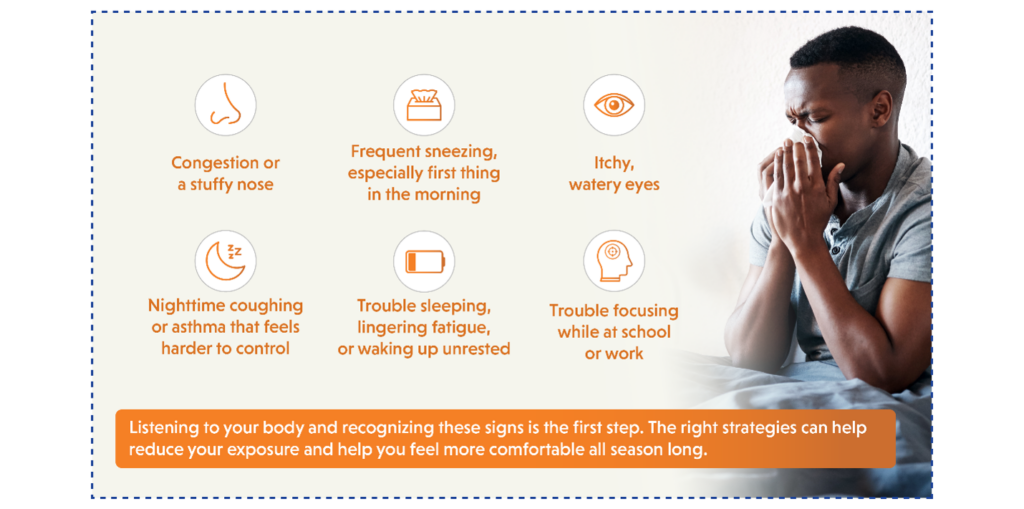
If you experience these symptoms after you start using your home’s heat, dust mites may be the cause. Allergy symptoms can affect your comfort, focus, and quality of life.
How Is a Dust Mite Allergy Diagnosed?
Diagnosis usually begins with a comprehensive health history and a physical exam by a board-certified allergist. Allergy skin testing in our offices is the gold standard, though blood testing is available for some patients. An early diagnosis can help you develop an effective management plan and get faster relief during winter.

To help you control symptoms and improve your indoor air quality, Dr. McCann, a board-certified allergist at Allergy Partners, recommends these expert-backed strategies:
- Use allergy-proof mattress and pillow covers.
These mattress and pillow encasings create a barrier that prevents dust mites from collecting in your bedding (a favorite hiding place), helping you breathe and sleep better year-round. - Wash bedding in hot water (at least 130°F) weekly.
Consistent high-temperature washing eliminates dust mite allergens. - Vacuum carpets and upholstered furniture regularly using a HEPA filter.
High-efficiency particulate air filters trap dust mite particles and keep them out of your breathing space. - Keep indoor humidity below 50%.
Dust mites thrive in humidity. Use a dehumidifier or air conditioning to keep their numbers down. - Limit bedroom clutter and wash stuffed toys often.
Fewer items and frequent cleaning reduce the places dust mites can hide.
Adopting these steps can noticeably improve comfort and well-being, particularly in the colder months.
Medical Treatment Options for Dust Mite Allergies
Allergy symptoms can often be managed using:
- Oral antihistamines
- Nasal corticosteroid sprays
- Nasal antihistamine sprays
- Leukotriene modifiers
For persistent or more severe allergy symptoms, your allergist may recommend:
Long-Term Relief: Allergy Shots and Environmental SLIT
Allergy shots (subcutaneous immunotherapy, SCIT) and Environmental Sublingual Immunotherapy (SLIT) work by gradually retraining your immune system, helping you become less sensitive to dust mites and other indoor allergens. These therapies offer lasting relief and may reduce your need for daily medications.
Learn more about Allergy Partners’ allergy shot and SLIT treatments.
Frequently Asked Questions (FAQs)
Can I completely remove dust mites from my home?
Total eradication is impossible, but consistent preventive measures can dramatically reduce dust mite levels and improve symptoms.
Is there a connection between dust mite and shellfish allergies?
Yes. Some people with significant dust mite allergies may also develop an allergy to shellfish due to similar proteins (tropomyosins) present in both.
Can dust mites trigger asthma and/or eczema?
Yes, for people with dust mite allergies, dust mites can be a major trigger for both asthma and eczema. Managing the allergy is an important part of controlling symptoms associated with these conditions.
When should I see an allergist for winter allergies?
If symptoms persist, worsen, or interfere with sleep, work, or school, schedule an appointment with a board-certified allergist. Early intervention lets us personalize your care.
Taking steps to reduce dust mites and other indoor allergens is an important part of creating a healthier, more comfortable home, especially in winter. Working with an Allergy Partners physician means you receive expert guidance and support designed to help you live a better life, free from the burden of allergy symptoms. To explore pathways for relief, visit your local Allergy Partners clinic.

Dr. William McCann is the CEO and former Chief Medical Officer of Allergy Partners, and a board-certified allergist in Western North Carolina. After his medical training at Duke University, he spent three years practicing general pediatrics before realizing his passion for treating allergies and asthma. He switched specialties to focus the next 24 years providing personalized care for children and adults with allergies, asthma, eczema, and chronic sinusitis. Dr. McCann was Chief Medical Officer from 2018 to 2025, when he became CEO in September of that year. Learn more about Dr. McCann.


