Allergy Solutions for the Fall Season: Understanding and Managing Hay Fever and Seasonal Allergies.
by Andrew Davidson, MD at Allergy Partners of Charleston
August 26, 2026

Summary: Seasonal allergies and hay fever can make existing allergies feel overwhelming. This article explains common triggers, typical symptoms, practical avoidance strategies, effective medications, and long‑term options such as immunotherapy, so you can enjoy the seasons with fewer symptoms.
For many people, spring and fall can be very pleasant seasons. The warm days and cool nights seem ideal for all sorts of outdoor activities as open windows and screen doors fill our homes with fresh air of the changing season. Unfortunately, for allergy sufferers, exposure to pollen can make the outdoors a hostile environment that can make us miserable. The culprit in most cases is pollen.
If you find yourself sneezing uncontrollably, battling a runny or stuffy nose, or experiencing itchy, watery eyes as the seasons change, you’re likely among the millions suffering from hay fever, also known as seasonal allergies or seasonal allergic rhinitis. While the term “hay fever” might conjure images of feverish illness, rest assured that unless a secondary infection is present, allergies typically don’t cause a fever.

What causes hay fever and seasonal environmental allergies?
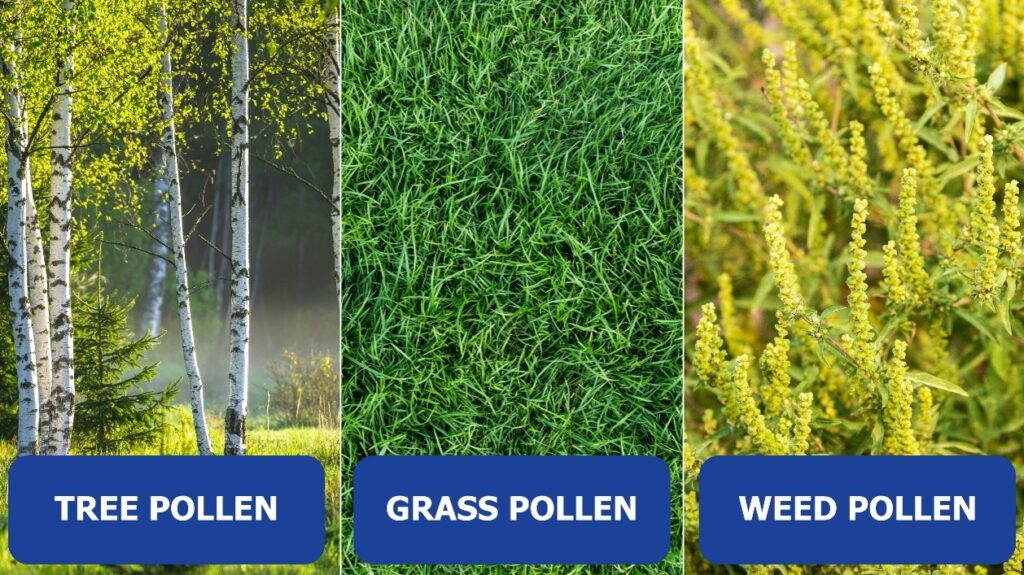
The discomfort of seasonal environmental allergies is triggered by exposure to tiny airborne particles released by various plants during their pollination periods. These microscopic grains are essential for plant reproduction but can wreak havoc on sensitive immune systems. The primary offenders include:
- Spring: Tree pollen, such as oak, birch, cedar, and maple, is some of the first to make its appearance, often starting earlier in southern regions and later in more northern climates.
- Late Summer: Grass pollen, such as Timothy Grass, Kentucky Bluegrass, Bermuda Grass, and Johnson Grass, can be a persistent problem. Much of this pollen peaks in the summer, but some regions experience a second grass pollen season in the fall. Whereas in the South, grass pollen can be present for much of the year.
- Fall: Weed pollen takes center stage, with Ragweed and Mugwort being particularly notorious triggers. The weed season typically kicks off in late August in the northern US, arriving later in September in southern states.
Recognizing the Symptoms of Seasonal Environmental Allergies
The symptoms of hay fever can range from mild to severely disruptive, impacting your daily life and enjoyment of the outdoors. Common signs include:
- Frequent sneezing
- Runny nose
- Postnasal drip
- Stuffy nose
- Itching of the nose, eyes, throat, and roof of the mouth
- Watery and red eyes
In more severe cases, seasonal allergies can lead to:
- Sinus blockage and resulting headaches
- Cough, often triggered by postnasal drainage
- Swollen and inflamed eyelids
Taking Control: Tips to Manage Your Hay Fever and Seasonal Environmental Allergies
The good news is that you don’t have to suffer in silence. Effective strategies exist to manage your seasonal allergies and reclaim your enjoyment of spring and fall. These approaches generally fall into three categories:
1. Minimize Pollen Exposure:
- Limit outdoor time: Especially during peak pollen times, which are often in the morning and on windy days.
- Keep doors and windows closed: Create a pollen-free sanctuary indoors. Use air conditioning with clean filters and HEPA air filters.
- Shower after being outside: Wash pollen from your hair and skin to prevent it from lingering and causing irritation.
- Stay informed: Monitor your local pollen counts. The National Allergy Bureau website of the American Academy of Asthma, Allergy and Immunology (pollen.aaaai.org) provides valuable information to help you plan your activities and take necessary precautions.
2. Consider using over the counter and prescription medications to minimize symptoms.
- Antihistamines: Newer, non-drowsy antihistamines can effectively relieve sneezing, runny nose, and itching. These are readily available without a prescription.
- Nasal Corticosteroid Sprays: Low-dose corticosteroid nasal sprays are safe and highly effective in reducing nasal congestion, runny nose, and sneezing. They work best when used regularly.
- Allergy Eye Drops: Over-the-counter and prescription eye drops specifically formulated for allergy relief can soothe itchy, watery eyes.
3. Consider Long-Term Solutions like Allergy Immunotherapy (SLIT and SCIT).
- For a long-term solution, consider allergy immunotherapy. This involves gradually exposing your body to small amounts of your specific allergy triggers to build tolerance over time.
- There are two types of immunotherapy:
- Subcutaneous immunotherapy (SCIT), also known as allergy shots.
- Sublingual Immunotherapy, also known as allergy tablets. These FDA-approved tablets for allergic rhinitis are available for ragweed, dust mites, and grass pollen.
- Immunotherapy requires commitment over several months but can significantly reduce allergy symptoms in the long run.
Don’t let hay fever and seasonal allergies keep you indoors when the weather is inviting. By understanding your triggers, implementing preventative measures, and exploring available treatments, you can effectively manage your symptoms and fully embrace the beauty of each season. If your allergy symptoms are severe or significantly impacting your quality of life, consulting with an allergist is always a good idea to develop a personalized management plan.

Andrew E. Davidson, MD, is board‑certified in allergy, asthma, and immunology for both children and adults. He earned his undergraduate degree from Johns Hopkins University and his medical degree from Pennsylvania State University, completed his internship and residency at the University of Florida, and completed his allergy and clinical immunology fellowship at Brown. Dr. Davidson sees patients at Allergy Partners of Charleston, specifically at the Mount Pleasant, and Summerville clinics.



