• Skip to main content

Allergy Partners

  • Find a New Location
  • Patient Portal
  • Bill Pay
  • Become an Allergy Partner
  • Site Search
  • Providers
  • Services
        • Treatment
          • Allergy Shots (Subcutaneous Immunotherapy, SCIT)
          • Biologics
          • Medications
          • Food Allergy Risk Reduction (FARR®)
          • Food Oral Immunotherapy (Food OIT)
          • Food Sublingual Immunotherapy (Food SLIT)
          • Environmental Sublingual Immunotherapy (Environmental SLIT)
        • Testing
          • Blood Testing
          • Food Allergy Testing
          • Patch Testing
          • Pulmonary Function Testing
          • Restech Testing
          • Skin Testing
  • Conditions
        • Food/ Gastrointestinal
          • Eosinophilic Esophagitis
          • Food Allergies
          • Laryngopharyngeal Reflux Disease
        • Lung
          • Asthma
          • Chronic Cough
        • Nasal, Sinus, Eye
          • Environmental Allergies
          • Eye Allergies (Allergic Conjunctivitis)
          • Nasal Polyps
          • Sinusitis
          • Vasomotor Rhinitis/ Chronic Rhinitis
        • Other Conditions
          • Anaphylaxis
          • Immune Deficiency
          • Medication Allergy
          • Recurrent Infections
          • Stinging Insect Allergy
          • Pediatric Allergies
        • Skin Allergies and Conditions
          • Angioedema
          • Contact Dermatitis
          • Eczema (Atopic Dermatitis)
          • Hives/Urticaria
          • Latex Allergy
          • Metal Allergy
  • About Us
        • About Us
        • Blog
        • Careers
        • Clinical Research
        • Pharmacy
        • What Is an Allergist?
        • In The News
  • Patient Resources
        • Pathway to Relief
        • Patient Portal
        • Bill Pay
        • Video Center
        • New Patient Forms & Resources
        • Request Medical Records
        • Patient Rights
        • Notice of Privacy Practices
        • The Itch Podcast
  • Find a Location

Search Results for:

Allergy Partners Debuts Innovative Web Platform, Facilitating Comprehensive Access to Premier Allergy and Asthma Care

May 17, 2023 by

Allergy Partners Debuts Innovative Web Platform, Facilitating Comprehensive Access to Premier Allergy and Asthma Care

by Allergy Partners

May 17, 2023

Allergy Partners

Asheville, North Carolina (6/30/2023) – As the country’s foremost provider of asthma and allergy clinical services, Allergy Partners is thrilled to announce the introduction of its groundbreaking, user-friendly web platform. This unique platform empowers patients and providers by offering unrivaled access to a vast reservoir of clinical expertise from the largest network of 140 allergists in the country.

David A. Brown, MD, Founder & CEO of Allergy Partners, shares, “We aim to create an optimal space for a patient to access the best care possible in their community. With Allergy Partners, you’re gaining more than just a single allergist—you’re tapping into the collective knowledge of 140 allergists nationwide.”

This platform broadens access to our growing network across 132 offices in 20 states, helping patients navigate the complexities of a comprehensive range of allergic diseases, from asthma to nut allergies, mold allergies, and seasonal allergies. Patients can search for office locations by zip code or state, find in-depth information about each office, and view profiles of our expert allergists to select the best-suited provider for their needs.

The platform simplifies access to our services and boasts a wealth of resources. These include educational videos on managing allergies and asthma, tips for allergen avoidance, lifestyle modification strategies for symptom improvement, and a growing library of articles penned by our experts.

Employing Artificial Intelligence (AI), the platform “listens” to the needs of web users, enabling Allergy Partners to continually offer content that reflects the evolving needs of patients and providers. This inventive approach amplifies the reach of our allergist network’s clinical knowledge to the public.

Dr. Brown adds, “Our web platform is designed to reach more patients than ever, making it straightforward for them to receive the care they need. We’re confident that this digital evolution will enhance our healthcare delivery and contribute to improved clinical outcomes.”

Allergy Partners is committed to aiding patients in managing their allergies, and advocating for healthier, more fulfilling lives. With this platform launch, Allergy Partners seeks to extend its services to more individuals, offering relief from symptoms and equipping patients to lead lives free from allergy or asthma-related issues.

For more information about Allergy Partners, please visit: https://www.allergypartners.com/.

  • Providers
  • Services
  • Conditions
  • About Us
  • Careers
  • Find A Location
  • Patient Resources
  • Become an Allergy Partner
  • Blog
  • Allergy Partners Shop
Allergy Partners Home
  •  

© 2024 All Rights Reserved.

    • Notice of Privacy Practices
    • Patient Rights
    • Site Privacy Policy
    • Site Terms of Use
    • Site Accessibility
    • Site Search
    • Employee Healthcare Info
    • Site Map

Filed Under: News

Can You Become Dependent on Asthma Medication?

May 7, 2023 by

Can You Become Dependent on Asthma Medication?

by Allergy Partners

May 7, 2023

Allergy Partners’ Myth Busters Explore

Are you among the millions of people struggling with asthma? If so, you may be familiar with its often-debilitating symptoms, from shortness of breath to chest tightness. You may also feel your day-to-day life is affected by it – perhaps more than you’d like. Many find respite using prescription medications designed to help manage their condition, but can these drugs potentially lead to dependence? The idea that one can become dependent on asthma medication is likely the result of a few misunderstandings.

Medication Dependency & Inhalers

First, the concern about dependency on medication is not unique to asthma patients, as it is a true concern for people taking a range of medications. Given the vast differences in properties and mechanisms of action between medicines, they cannot be generalized as such. When steroid controller inhalers are used properly, symptoms should be minimized, and the need for a rescue inhaler should be rare.

The sensation of dependency often comes when someone is not controlled and need their rescue inhaler frequently. This leads to the feeling that they are becoming dependent on their rescue inhaler. The underlying issue is that asthma control can change due to a variety of factors and their increased rescue inhaler use is the result of that, which needs to be addressed by a physician.

Prolonged overuse of rescue inhalers influences the site where it acts in our bodies, leading to a tolerance for this medicine. But contrary to what some may believe, there is no evidence that suggests one can become dependent on their asthma medication; rather, this myth rises from an urge by those suffering from asthma to dissociate themselves from the illness and not accept that it’s chronic.

Asthma Myth: Busted!

Despite the common perception that someone can become dependent on their asthma medication, this is simply not true. Asthma medications are designed to be used as prescribed, and research has shown no lasting health effects from long-term use. These medications help people with asthma maintain their quality of life by helping to control their symptoms and prevent long-term damage to their lung function. With careful management and monitoring, an allergist can help you keep your asthma under control without overusing or becoming dependent on these treatments.

Allergy Partners Can Assist with Your Asthma Struggles

Allergy Partners is the nation’s leading provider of allergy and asthma care, and we have offices across the United States. Each of our local teams has the backing of our expansive network of board-certified physicians, and together they work to deliver the most effective treatments.

To learn more about asthma treatments and how we can help you manage your symptoms, reach out to your local Allergy Partners office to schedule an appointment.

  • Providers
  • Services
  • Conditions
  • About Us
  • Careers
  • Find A Location
  • Patient Resources
  • Become an Allergy Partner
  • Blog
  • Allergy Partners Shop
Allergy Partners Home
  •  

© 2024 All Rights Reserved.

    • Notice of Privacy Practices
    • Patient Rights
    • Site Privacy Policy
    • Site Terms of Use
    • Site Accessibility
    • Site Search
    • Employee Healthcare Info
    • Site Map

Filed Under: Resources

How a Storm Can Affect Your Allergies

May 1, 2023 by

How a Storm Can Affect Your Allergies

by Allergy Partners

May 1, 2023

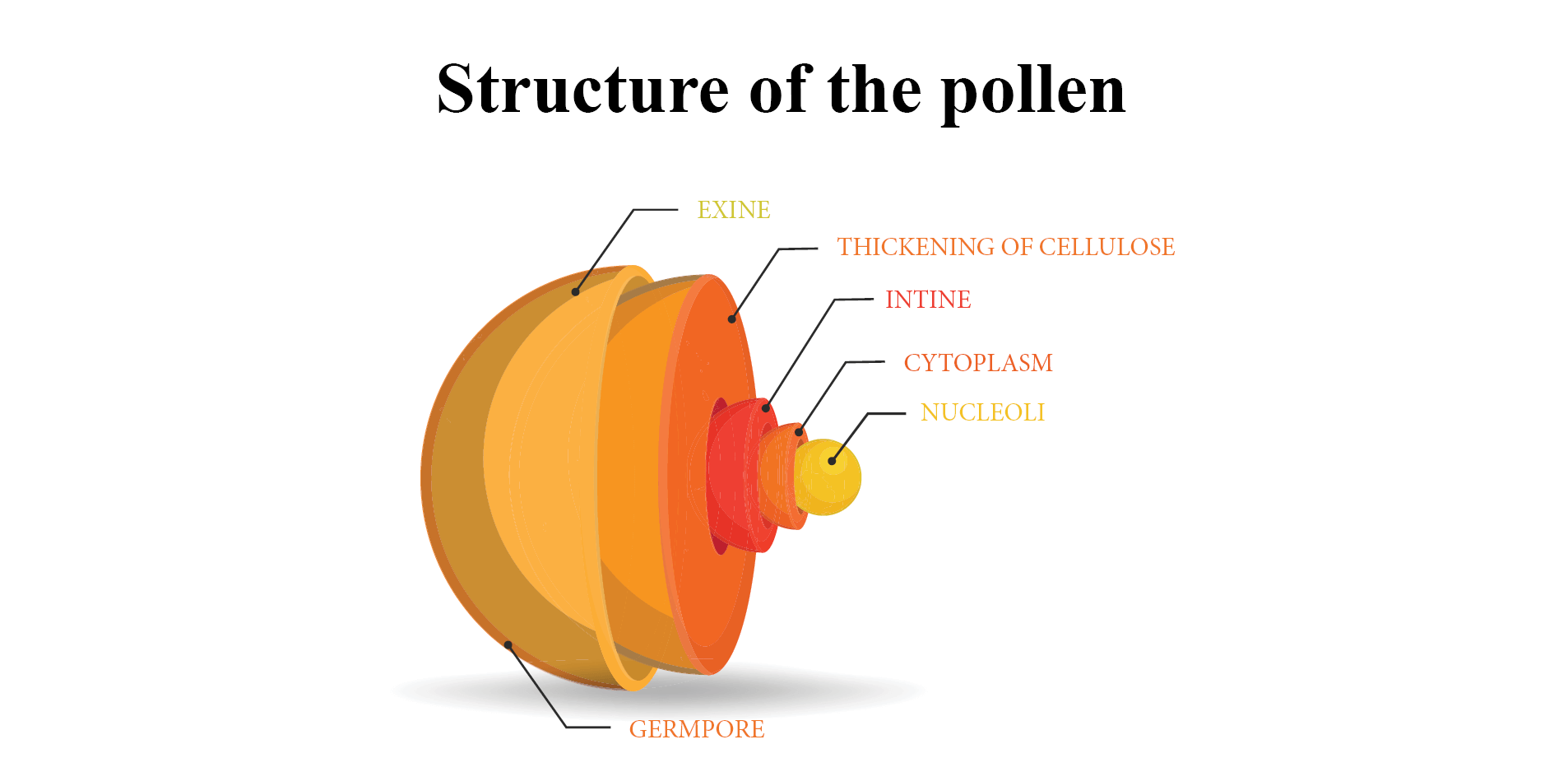
Structure of the pollen

Allergy severity can fluctuate within a pollen season

Pollen is a major source of outdoor allergy symptoms and its level can be affected by wind, humidity, rain storms, and weather temperature.

The pollen grain is made up of a few layer. The outermost layer of the pollen grain protects itself against degrading, and the innermost layer contains the pollen allergy proteins. Pollen grains are released from the plant when there is a decrease in humidity sensed by the plant.

Pollen levels are lower in the morning with the dew and humidity, and increase during the day. For example, ragweed pollen peaks around noon.

Rain is another big factor for pollen levels. Storms with a steady rainfall of small droplets will wash the pollens out of the sky, which is a phenomenon called “scrubbing.” Larger droplets are less effective at this.

Pollen grains burst when they are exposed to water, and this releases more of the core inner allergen within the pollen grain. This can even occur in thunderstorms when pollens are taken via updrafts of wind to the clouds and burst with the moisture from clouds.

Later, downdrafts of wind will bring even more pollens near the ground. That is a main reason why allergies can flare after a rainstorm and even cause asthma exacerbations.

It is important to understand your allergies in order to feel your best. Reach out to your local Allergy Partners allergist for more information about your allergies and how to feel your best no matter the weather conditions.

  • Providers
  • Services
  • Conditions
  • About Us
  • Careers
  • Find A Location
  • Patient Resources
  • Become an Allergy Partner
  • Blog
  • Allergy Partners Shop
Allergy Partners Home
  •  

© 2024 All Rights Reserved.

    • Notice of Privacy Practices
    • Patient Rights
    • Site Privacy Policy
    • Site Terms of Use
    • Site Accessibility
    • Site Search
    • Employee Healthcare Info
    • Site Map

Filed Under: Environmental Allergy

Multi-Colored Asian Lady Beetle Allergy: What to Know

April 29, 2023 by

Multi-Colored Asian Lady Beetle Allergy: What to Know

by Allergy Partners

April 29, 2023

ladybug

Understanding These Tiny Home Invaders

If you’re one of the millions of Allergy Partners patients who are experiencing seasonal allergies due to Multi-Colored Asian Lady Beetles, don’t worry! We’re here to help you understand more about this type of allergy, its symptoms, and what tools you can use to manage it. With a few simple solutions and an understanding of the underlying causes, our expert tips will guide you in finding relief from these pesky bugs. Let’s get started together on combatting those annoying Multi-Colored Asian Lady Beetle allergies!

What Are These Beetles?

Since the early 20th century, Multi-Colored Asian Lady Beetles have infiltrated many parts of the United States. Not only are they present in places like the Upper Mid-West and East Coast, but their tenacity has even allowed them to outcompete native species for resources and habitat. In some regions, this exotic insect has become a force that cannot be ignored.

Come colder weather, Multicolored Asian Lady Beetles (MALB) are on the hunt for warm homes with light-colored walls and a south or southwest-facing side. As they swarm in to keep cozy, these invasive insects can appear by the hundreds and even up to the thousands. Not only does their presence create an annoying buzz, but when startled, MALBs release a stinky fluid from their leg joints. Moreover, you’ll also have some dead bugs left to clean after surviving members leave, so guard those doors closely!

Types of Allergic Reactions

Studies suggest that exposure to MALB may result in a variety of allergic reactions. By examining allergens extracted from crushed beetles and identifying antibodies, scientists found a strong connection between Ladybug allergen-specific IgE antibodies and German cockroach allergen-specific IgE, indicating potential sensitization or allergy development through inhalation, contact with the insects themselves or even being bitten by them.

Fall and winter can be difficult for those allergic to MALB, as the seasonal allergens usually associated with that time of year actually originate indoors! It’s important to work closely with your allergist in order to better understand exactly what could cause a reaction. Unfortunately, no commercial extract is currently available for skin testing; however, there is a blood test should you wish to use it. With knowledge on hand and accurate diagnostics, managing an indoor allergen allergy becomes much more manageable, even during the fall and winter months.

Allergy Partners Has the Answers

Managing MALB allergy requires a proactive approach. For the best results, consult with your local Allergy Partners team and consider enlisting the help of an experienced contractor to seal entry points in your home as well as engaging professional removal services for any existing insects. By taking these measures now, you can reduce discomfort from allergic reactions down the line.

The first step to finding relief from allergies is to schedule an appointment with Allergy Partners to understand what is causing your symptoms. Find a location today!

  • Providers
  • Services
  • Conditions
  • About Us
  • Careers
  • Find A Location
  • Patient Resources
  • Become an Allergy Partner
  • Blog
  • Allergy Partners Shop
Allergy Partners Home
  •  

© 2024 All Rights Reserved.

    • Notice of Privacy Practices
    • Patient Rights
    • Site Privacy Policy
    • Site Terms of Use
    • Site Accessibility
    • Site Search
    • Employee Healthcare Info
    • Site Map

Filed Under: Stinging Insect Allergy

When Does a Cough Require Medical Attention?

April 20, 2023 by

When Does a Cough Require Medical Attention?

by Allergy Partners

April 20, 2023

checking cough

Coughing may classified by duration:

  • acute coughs last less than 3 weeks
  • subacute coughs last 3–8 weeks
  • chronic coughs last over 8 weeks

Most acute coughs do not arise from a serious condition. Often, a minor ailment (e.g., a cold) is the culprit. A medical evaluation is not necessary in these cases. In contrast, subacute and chronic coughs may indicate a significant medical condition. Other warning signs of a more serious ailment include chest pain, coughing up blood, shortness of breath, fever, and unexplained weight loss.

Among the most common cause of cough is a respiratory infection or “head cold.” Usually, this is due to a viral infection, and may be accompanied by sore throat, sneezing, headache, aches, fatigue, and runny nose. A medical evaluation is not necessary unless symptoms persist beyond ten days or cause significant discomfort or fever.

Allergies, a very frequent cause of cough, occur as a result of an abnormal reaction of the immune system to an otherwise harmless protein substance including animal dander, dust mites, pollens, and molds. If inhaled, these substances also invoke sneezing, runny or stuffy nose, itching of nose, eyes, and throat, and red and watery eyes. If symptoms are severe, a medical evaluation including allergy testing is appropriate. If symptoms don’t improve with medication, immunotherapy by means of allergy injections or sub-lingual tablets can alleviate symptoms by suppressing the allergic response of the immune system.

Asthma is a chronic lung disease that results in difficulty with breathing. Some episodes are triggered by exposure to allergens, irritants, or viral infections. Asthma can cause coughing that is more severe at night and disrupts sleep. Symptoms may be provoked by laughter, crying, or exertion. Associated complaints include wheezing, shortness of breath, and chest pain or tightness. Asthma requires prompt medical attention. Treatment with inhaled medications is usually effective. Severe cases may require treatment with recently approved injections that suppress the inflammation that often underlies asthma. Bronchitis, another common ailment, occurs when the airways in the lungs become inflamed. Symptoms may resolve in 2-3 weeks, but chronic bronchitis can persist for months. One may also experience headache, fatigue, nasal congestion, runny nose, sore throat, aches and chills. Symptoms usually resolve spontaneously with rest and do not require medical attention. If symptoms persist beyond 2-3 weeks, one should seek medical evaluation.

Pneumonia, another possible cause of cough, often results in expectorating thick colored discharge. Fever, shortness of breath, and chest pain may also be evident. Some patients experience nausea, vomiting, and confusion. If pneumonia is suspected, one should promptly seek medical attention. Hospitalization may also be necessary.

Gastroesophageal reflux disease (GERD) is a chronic condition resulting from the presence of stomach acid in the esophagus. “Heartburn” along with coughing, nausea, vomiting, difficulty with swallowing, and chest pain may also be noted. Non-prescription medications which suppress the effects of stomach acid are available; persistent symptoms require medical attention.

Chronic obstructive pulmonary disease (COPD) is a lung disease usually causes by smoking. Symptoms include cough, wheeze, shortness of breath, and expectoration of phlegm. Medical attention is necessary for this condition. In addition to medication, some patients may require supplemental oxygen.

In summary, one should visit a health care professional if a cough persists for longer than 3 weeks or is associated with other “red flags” such as shortness of breath, coughing up blood, chest pain, or weight loss. Allergy Partners physicians are experts in the diagnosis and treatment of cough and can help give you the answers you need and the relief you deserve.”

By Dr. Williams Harris
Allergy Partners of Orange County

  • Providers
  • Services
  • Conditions
  • About Us
  • Careers
  • Find A Location
  • Patient Resources
  • Become an Allergy Partner
  • Blog
  • Allergy Partners Shop
Allergy Partners Home
  •  

© 2024 All Rights Reserved.

    • Notice of Privacy Practices
    • Patient Rights
    • Site Privacy Policy
    • Site Terms of Use
    • Site Accessibility
    • Site Search
    • Employee Healthcare Info
    • Site Map

Filed Under: Chronic Cough

Who Needs Penicillin Allergy Testing or Oral Challenge?

April 18, 2023 by

Who Needs Penicillin Allergy Testing or Oral Challenge?

by Allergy Partners

April 18, 2023

medicines

Penicillin (PCN) allergy is the most commonly reported drug allergy in North America, with roughly 10% of the general population reporting a PCN allergy, documented in their electronic health record (EHR). When patients, or even many health care professionals, see the word allergy linked to PCN in the EHR, they often envision anaphylaxis with every subsequent PCN exposure.

However, PCN-associated acute-onset (IgE-mediated) anaphylaxis is extremely rare, <0.1% in the patients labeled with PCN allergy. About 1-2 % of these patients would have acute onset benign cutaneous reactions (hives). Delayed-onset (non-IgE-mediated) benign cutaneous reactions (maculopapular rashes) would occur in 3-5 % of these patients. Delayed-onset severe cutaneous or systemic reactions are even much more rare, <0.01%. In contrast, most of these patients, 93-96%, would have nonimmunologically mediated reactions, which are not real PCN allergies. The PCN-associated adverse reactions in this category include headaches, nausea, vomiting, yeast infections, benign rashes, other benign reactions or associations, fear because of family history or other benign reasons. These symptoms are usually due to the underlying viral or bacterial infections, pharmacologic effect, and adverse effects.

Clinically, almost all of the patients labeled with PCN allergy have avoided using PCN. There are many risks that come with the avoidance of PCN when it is reported as an allergy, including inferior clinical outcomes, more surgical site infections, more death and complications in methicillin-sensitive Staphylococcus aureus cases, longer stay in hospitals, and significantly higher economic burdens. One report showed that the extra cost was over $30 billion a year in the US by using other antibiotics due to the label of PCN allergy.

Actually most patients lose allergic sensitivity to PCN over time. About 50% of patients are no longer allergic within 5 years of a reaction, and 80% or more by 10 years.
Therefore, if you are labeled with PCN allergy and have not taken any PCN since your last reaction, you are strongly recommended to see a board-certified allergist to have either PCN testing or oral challenge to PCN, usually amoxicillin.

Direct oral amoxicillin challenge can be safely performed in any patients with a history of any of the following penicillin-associated symptoms occurring more than 12 months ago: any benign rash, GI symptoms, headaches, other benign somatic symptoms, or unknown history.

Consider skin testing first if:

  1. the reactions occurred within the past 12 months;
  2. the patient has any history of shortness of breath or anaphylaxis associated with penicillin;
  3. the patient or treating physician is wary of a direct oral challenge. Proceed to amoxicillin challenge only if the skin test result is negative.

Please talk to your allergist at Allergy Partners. We will help you remove the label of “PCN allergy” and then you could take a PCN again if you need for an infection.

Shanze (Sam) Wang, MD, PhD
Allergy Partners of Albuquerque, NM

References:

  1. Eric Macy, and David Vyles. Who needs penicillin allergy testing? Ann Allergy Asthma Immunol. 2018; 121: 523-9.
  2. Eric Macy, Antonio Romero and David Khan. Practical management of antibiotic hypersensitivity in 2017. J Allergy Clin Immunol Pract. 2017; 5: 577-86.

  • Providers
  • Services
  • Conditions
  • About Us
  • Careers
  • Find A Location
  • Patient Resources
  • Become an Allergy Partner
  • Blog
  • Allergy Partners Shop
Allergy Partners Home
  •  

© 2024 All Rights Reserved.

    • Notice of Privacy Practices
    • Patient Rights
    • Site Privacy Policy
    • Site Terms of Use
    • Site Accessibility
    • Site Search
    • Employee Healthcare Info
    • Site Map

Filed Under: Food Allergy

Chronic Sinusitis

April 8, 2023 by

Chronic Sinusitis

by Allergy Partners

April 8, 2023

man with sinusitis

The term “sinusitis” is often used to describe various nasal and sinus symptoms. It can occur in both children and adults, and significantly affect quality of life. There is a considerable physical and economic burden resulting from diagnostic tests, medical and surgical therapies, reduced school and work productivity, and direct impact on physical health.

Acute sinusitis usually occurs after you catch a cold and typically resolves within 1-3 weeks. Chronic sinusitis, on the other hand, may develop abruptly as an acute sinusitis that fails to resolve, or develop slowly and insidiously over months to years.

Both may include the following symptoms:

  • Stuffy nose or nasal congestion
  • Runny nose or rhinorrhea
  • Mucous that drains down the back of the throat or post nasal drip
  • Pain, pressure or a feeling of facial fullness
  • Decrease or loss of smell
  • Fever
  • Headache
  • Cough
  • Fatigue

Some people are more likely to develop chronic sinusitis then others. Risk factors include: allergies to mold, dust mites, pollen and animal dander; an injury or deformity of the nose that makes is hard to drain mucous normally; nasal polyps; and problems with your body’s immune system. Checking the immune system is important in severe, persistent and unusual symptoms.

There are three main subtypes of chronic sinusitis. These include chronic sinusitis with nasal polyposis, chronic sinusitis without nasal polyposis, and allergic fungal sinusitis. Nasal polyps are typically benign translucent, yellowish-white masses filled with inflammatory fluid. These polyps may cause obstruction of the nasal cavity and lead to loss of smell or taste. A small percentage of people with nasal polyps are also allergic to aspirin or other non-steroidal anti-inflammatory drugs like ibuprofen.

Several people try treatment with antibiotics, allergy medications and/or surgery, only to find they continue to have recurrent or chronic symptoms.

Proper diagnosis, testing and treatment can lead to better outcomes, reduced medical costs and increased quality of life. If you continue to experience sinus symptoms, your Allergy Partner Provider is ready to develop an effect diagnostic and treatment plan just for you.

Michael Martucci, MD
Allergy Partners of Northern Colorado

  • Providers
  • Services
  • Conditions
  • About Us
  • Careers
  • Find A Location
  • Patient Resources
  • Become an Allergy Partner
  • Blog
  • Allergy Partners Shop
Allergy Partners Home
  •  

© 2024 All Rights Reserved.

    • Notice of Privacy Practices
    • Patient Rights
    • Site Privacy Policy
    • Site Terms of Use
    • Site Accessibility
    • Site Search
    • Employee Healthcare Info
    • Site Map

Filed Under: Sinusitis

Beyond a Sinus Infection

March 30, 2023 by

Beyond a Sinus Infection

by Allergy Partners

March 30, 2023

disabled girl with her dog

Article by Dr. Michael Martucci | Allergy Partners of Northern Colorado

When Is a Sinus Infection More Than “Just” a Sinus Infection?

Of course, go figure, it is Friday at 6:00 PM and all the doctor’s offices have closed. I had been putting off going to the doctor in hopes that my symptoms would improve. It all started a few weeks ago with sneezing, nasal congestion and runny nose. That pesky ragweed, I thought to myself. As the week went on, I started to experience cough and green mucous discharge coming from my nose. This had started to become a recurring thing over the past year, 5 times to be exact. I was always told it is just a cold and to drink plenty of fluid and rest. I was starting to feel like I would never get better as antibiotics seemed to help, but never completely resolved my symptoms. Should I call the on-call doctor, go to urgent care, Google it, or just keep feeling sick. I needed answers.

What Are Sinuses?

Sinuses are air-filled spaces located behind the bones of the upper face, including the cheeks, nose and forehead. The lining of the sinuses is made up of cells with tiny hairs on their surfaces called cilia. Other cells in the lining produce mucus. The mucus traps germs and pollutants and the cilia push the mucus out through narrow sinus openings into the nose.

Inflammation

When the sinuses become inflamed or infected, the mucus thickens and clogs the openings to one or more sinuses. Fluid builds up inside the sinuses causing increased pressure, pain and headaches. Also, bacteria may become trapped and infect the lining of the sinuses.

Chronic vs. Acute

Sinusitis may be chronic-long-lasting and frequently returning-or may be acute. Acute sinusitis lasts less than 2-3 weeks and occurs less than three times a year. Acute sinusitis is extremely common and is typically caused by a viral infection. It may also be triggered by allergies, air pollution, cigarette smoke, dental infections and/or nasal polyps. It typically does not require treatment with antibiotics and resolves on its own.

Similarities

Chronic sinusitis and acute sinusitis have similar signs and symptoms. Distinguishing factors for more severe disease include length of infection, frequency of infections and difficult to treat infections. Red flags are raised with family history, persistent, complicated or unusual infections. These warning signs prompt further evaluation by your Allergy Partners Physician.

Recommendations

The Immune Deficiency Foundation recommends screening for a possible immune deficiency if you have had more than 4-5 sinus infections in a year. It is important to distinguish between allergies, infection and antibody deficiencies. This can be done with skin testing and/or blood tests. There are several different treatment options depending on the cause of your sinus infection.

If you are unsure what is triggering your sinus symptoms and unclear where to turn, contact your Allergy Partners physician who will listen, diagnose, treat and ultimately have you feeling your best.

  • Providers
  • Services
  • Conditions
  • About Us
  • Careers
  • Find A Location
  • Patient Resources
  • Become an Allergy Partner
  • Blog
  • Allergy Partners Shop
Allergy Partners Home
  •  

© 2024 All Rights Reserved.

    • Notice of Privacy Practices
    • Patient Rights
    • Site Privacy Policy
    • Site Terms of Use
    • Site Accessibility
    • Site Search
    • Employee Healthcare Info
    • Site Map

Filed Under: Environmental Allergy

Dust Mite Allergy

March 29, 2023 by

Dust Mite Allergy

by Allergy Partners

March 29, 2023

woman sleeping on the bed

Year round symptoms due to dust mites are experienced by millions of people. Dust mite allergens can be found throughout your house but most often live in warm, humid environments including beds, carpet, and upholstered furniture. These allergens can trigger a variety of symptoms including nasal, ocular, pulmonary, and skin inflammation. Because of this heterogeneity, diagnosis can be difficult. If dust mite or other indoor allergies are suspected, patients should consult a board certified allergist for further evaluation. This evaluation typically includes taking a detailed history including environmental exposure, physical exam and testing. Testing for dust mite allergies typically includes either a skin prick test or blood test (ImmunoCAP IgE) for the two main species of dust mites, Dermatophagoides pteronyssinus and Dermatophagoides farina.

Treatment for dust mite allergies includes reducing exposure to the allergen, pharmacotherapy, and immunotherapy. Allergy Partners has teamed with
Allergy Guardian to provide dust mite fabric covers for pillows, mattresses, and box springs. Removing carpet and regular vacuuming can help limit exposure to dust mites. Pharmacotherapy is guided by patient symptoms. This typically includes the use of oral or intranasal antihistamines and nasal corticosteroids for treatment of nasal symptoms. A step-wise approach for the treatment of asthma is recommended including the use of inhaled corticosteroids, long-acting 2 agonists, leukotriene modifiers and immunologic agents. Allergy immunotherapy by either subcutaneous injection or sublingual tablets is the most effective long term treatment for dust mite allergies available. Effective treatment with allergen specific immunotherapy has been shown to decrease the progression of respiratory allergic diseases and even prevent the development of asthma in children. For more information regarding the diagnosis and treatment of dust mite allergies, please call your local Allergy Partners office for an appointment.

Dr. Elizabeth Majeski

Allergy Partners of Charleston

  • Providers
  • Services
  • Conditions
  • About Us
  • Careers
  • Find A Location
  • Patient Resources
  • Become an Allergy Partner
  • Blog
  • Allergy Partners Shop
Allergy Partners Home
  •  

© 2024 All Rights Reserved.

    • Notice of Privacy Practices
    • Patient Rights
    • Site Privacy Policy
    • Site Terms of Use
    • Site Accessibility
    • Site Search
    • Employee Healthcare Info
    • Site Map

Filed Under: Environmental Allergy

Comorbidities of Allergic Rhinitis

March 17, 2023 by

Comorbidities of Allergic Rhinitis

by Allergy Partners

March 17, 2023

Elderly woman covering nose

Allergic rhinitis is an increasingly common condition with typical symptoms of itchy and runny nose, sneezing, nasal congestion, and postnasal drainage. Frequently brushed off as “a pesky runny nose”, it has been shown that allergic rhinitis is often not an isolated disorder, but coincides with a multitude of other conditions including asthma, sinusitis, conjunctivitis, chronic otitis media, tonsillar and adenoid hypertrophy, sleep apnea, snoring, pharyngitis, laryngitis and disordered sleep. Allergic rhinitis and related comorbidities often negatively impact quality of life.

Allergic rhinitis results from an abnormal immune response to substances encountered in the environment such as pollens, pet dander, mold, and droppings from dust mites and cockroaches. The incidence of allergic rhinitis is estimated at 10-30% of the world’s population and symptoms are often under-recognized and undertreated. It has also been shown that poorly controlled allergic rhinitis is an exacerbating factor for asthma based on a shared common inflammatory pathway and the concept of “one airway”. Controlling allergic rhinitis is a key to maintaining asthma control. Recurrent sinus infections and worsening conjunctivitis are also often related to uncontrolled allergic rhinitis.

Identifying specific allergens with allergy testing allows customization of a treatment plan to include avoiding allergens, medications, and immunotherapy. Immunotherapy is the only therapy that treats the underlying cause, hence not only reducing pesky nasal symptoms, but significantly impacting eye symptoms, asthma and all the other associated disorders. Studies have shown that treating allergic rhinitis with immunotherapy not only improves allergic asthma, but can prevent it from occurring by eliminating the immune system response to potential triggers.
Don’t brush off a runny nose. Likely there are many other related symptoms that can be influenced by adequately treating allergic rhinitis.

Madeline Dillon, MD
Allergy Partners of Charlottesville

References:
Hadley JA, Derebery MJ, Marple BF. Comorbidities and allergic rhinitis: not just a runny nose. J Fam Pract. 2012 Feb;61(2 Suppl):S11-5.

Meltzer EO, Gross GN, Katial R, Storms WW. Allergic rhinitis substantially impacts patient quality of life: Findings from the Nasal Allergy Survey Assessing Limitations. J Fam Pract. 2012;61(suppl 1):S5-S10.
World Health Organization. White Book on Allergy 2011-2012 Executive Summary. By Prof. Ruby Pawankar, MD, PhD, Prof. Giorgio Walkter Canonica, MD, Prof. Stephen T. Holgate, BSc, MD, DSc, FMed Sci and Prof. Richard F. Lockey, MD.
Summary Health Statistics for U.S. Adults: National Health Interview Survey, 2010. By Jeannine S. Schiller, M.P.H., Jacqueline W. Lucas, M.P.H., Brian W. Ward, PhD and Jennifer A. Peregory, M.P.H., Division of Health Interview Statistics.
Bachert C, Vignola AM, Gevaert P, Leynaert B, Van Cauwenberge P, Bousquet J. Allergic rhinitis, rhinosinusitis, and asthma: one airway disease. Immunol Allergy Clin North Am. 2004;24(1):19-43.

  • Providers
  • Services
  • Conditions
  • About Us
  • Careers
  • Find A Location
  • Patient Resources
  • Become an Allergy Partner
  • Blog
  • Allergy Partners Shop
Allergy Partners Home
  •  

© 2024 All Rights Reserved.

    • Notice of Privacy Practices
    • Patient Rights
    • Site Privacy Policy
    • Site Terms of Use
    • Site Accessibility
    • Site Search
    • Employee Healthcare Info
    • Site Map

Filed Under: Environmental Allergy

  • « Go to Previous Page
  • Page 1
  • Interim pages omitted …
  • Page 118
  • Page 119
  • Page 120
  • Page 121
  • Go to Next Page »